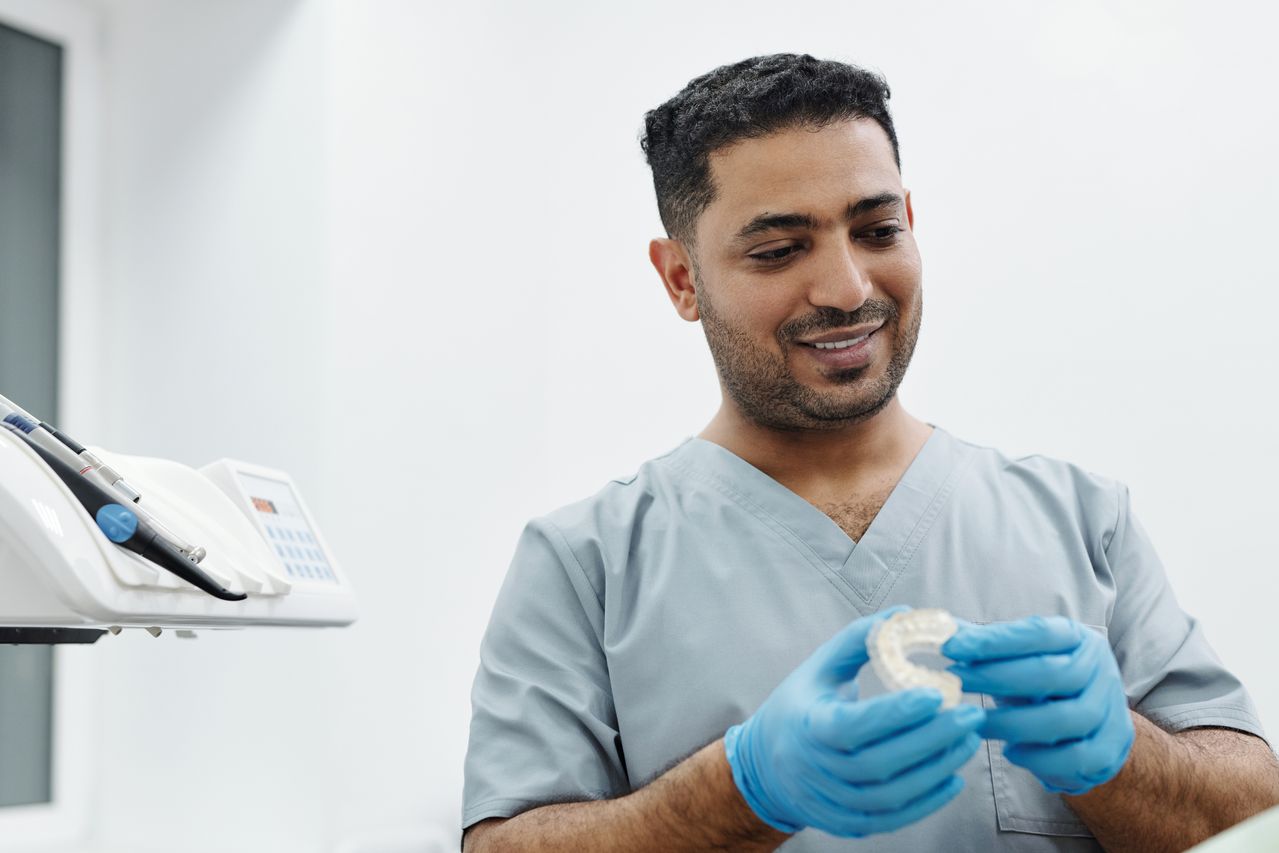
Early intervention orthodontics is treatment for children aged 7 to 11 when their teeth and jaws are still developing. The aim is not always to fully straighten teeth immediately, but to guide the growth of the jaws and prevent more serious problems from developing later.
At Bass Orthodontics, early intervention treatment is used to identify issues at an early stage and treat them before they become more complex. This approach can make later orthodontic treatment simpler, shorter, and in some cases unnecessary.
NHS guidance recommends that children should have their first orthodontic assessment by around the age of 7. At this stage, the back adult teeth have usually started to come through, which allows orthodontists to see how the bite is developing.
Research also suggests that around 20% to 30% of children may have some form of orthodontic problem that could benefit from early assessment or treatment.
Early assessment is important because it allows orthodontists to spot developing problems before all the adult teeth have come through. At this stage, the jaw is still growing, which makes it easier to guide tooth and bone development. Whilst braces and orthodontics is usually associated with pre-teens around 12 years old, starting as young as 7 can be crucial for their jaw development. See what age is best for orthodontic treatment.
Some children may appear to have straight teeth at first, but underlying issues with bite alignment or jaw growth may not be immediately visible. By identifying these early, orthodontists can often use simpler treatments to prevent more serious crowding or bite problems later on.
In some cases, early treatment has been shown to reduce the complexity of later orthodontic work.
For example, addressing jaw alignment issues early can reduce the likelihood of needing tooth extractions or more complex fixed braces later in teenage years. While results vary depending on the individual case, early intervention can significantly improve long-term outcomes.
Early intervention orthodontics can help with a wide range of developing dental issues including:
One of the most common things that early intervention treatment helps with is crowding, where there is not enough space in the mouth for adult teeth to come through properly. By guiding jaw growth or creating additional space early, teeth may erupt in a better position.
It can also help with crossbites, where the upper and lower teeth do not meet correctly. If left untreated, this can affect jaw development and lead to uneven wear on the teeth. Early treatment can help guide the bite into a healthier position while the jaw is still growing.
Another common issue is protruding front teeth. Children with prominent upper teeth may be more at risk of dental injury, especially during sports or play. Early orthodontic treatment can help reduce this risk by improving alignment and lip coverage.
Early intervention can also address habits such as thumb sucking, which may affect how the teeth and jaws develop. If these habits continue for too long, they can lead to bite problems such as open bites, where the front teeth do not meet properly.
Early intervention treatment may include removable appliances, simple braces, or devices that help guide jaw growth. See orthopaedic braces.
In some cases, treatment may be short and focused on correcting a specific issue. In other cases, it may involve monitoring growth over time before further treatment is needed.
One of the key benefits of early treatment is that it works with natural growth rather than against it. Because children’s jaws are still developing, orthodontists can often guide teeth into better positions more easily than in adulthood.
It is important to understand that early intervention does not always mean full braces are avoided later on. In many cases, it reduces the severity or length of future treatment rather than replacing it entirely.
The long-term benefits of early intervention orthodontics can be significant. By guiding jaw development and correcting early issues, it can help reduce the complexity of teenage orthodontic treatment. In some cases, it may also improve facial balance and reduce the risk of future dental trauma.
Studies in orthodontics suggest that early treatment can improve overall treatment efficiency in a significant number of cases, with some research indicating improvements in treatment outcomes in up to half of children who receive interceptive care.
Most importantly, early assessment allows families to understand how a child’s teeth are developing and make informed decisions about future care. Even if no immediate treatment is needed, regular monitoring ensures that any changes are detected early.
In summary, early intervention orthodontics is a proactive approach that focuses on guiding dental and jaw development during childhood. It can help address crowding, bite problems, and harmful habits while the jaw is still growing. With early assessment and timely care, many children can benefit from simpler, more effective orthodontic treatment in the future.