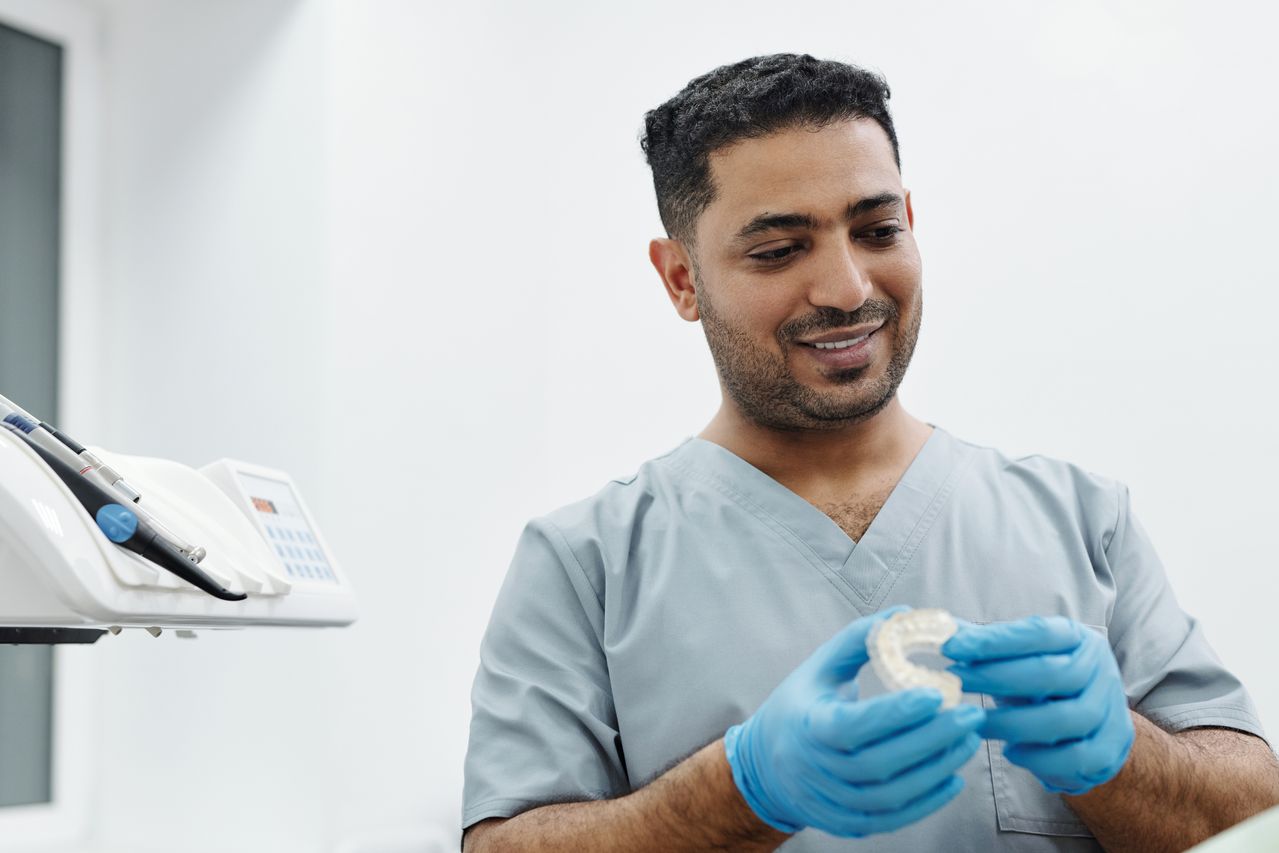
Invisible braces such as Invisalign are a highly effective way to straighten teeth for many patients. In fact, treatment success rates are commonly reported at over 90% when the aligners are worn correctly and the treatment plan is followed properly.
However, like all orthodontic treatments, they do not work automatically and the final result depends heavily on how well patients follow instructions during treatment and after it is completed.
You can find more information about Invisalign in Harley Street at Bass Orthodontics or call us on 020 7580 8780.
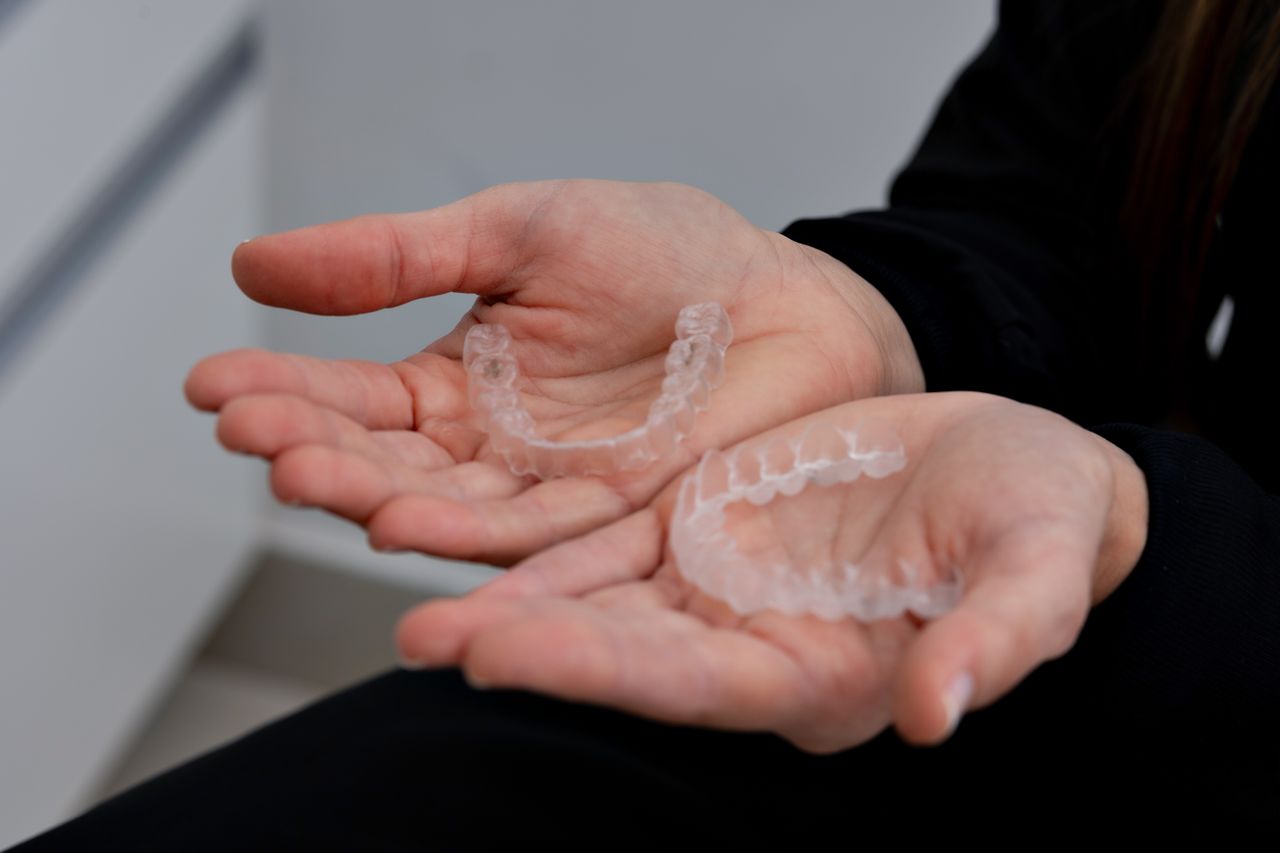
Invisalign works by gently moving teeth using a series of clear, removable trays. Each set of aligners is slightly different, guiding the teeth step by step into a straighter position. Because the trays are removable, they are more comfortable and discreet than traditional braces. However, this flexibility also means success relies on patient discipline.
For best results, patients are usually advised to wear their aligners for around 22 hours a day. This means they should only be removed for eating, drinking anything other than water, and cleaning the teeth.
They should also be worn during sleep every night. When patients do not wear their aligners for the recommended time, tooth movement slows down or becomes inconsistent, which can delay results or affect the final outcome.
It is also important to understand that treatment does not end the moment the last aligner is worn. Retainers play a vital role in keeping teeth in their new position. Without retainers, teeth naturally tend to shift back over time.
Studies in orthodontics suggest that up to 30% of patients may experience some degree of relapse if retainers are not worn as instructed. This is why most orthodontists recommend long-term or even lifetime retainer use, especially at night.
Wearing aligners for the full recommended 22 hours a day allows teeth to move steadily and predictably. Consistency is essential, because even a few hours of missed wear time each day can reduce the effectiveness of treatment over time.
Another important factor is good oral hygiene. Keeping teeth and gums healthy during treatment ensures that aligners fit properly and that there are no delays caused by dental problems such as decay or gum inflammation. Patients who brush and floss regularly tend to experience smoother treatment progress.
Regular check-ups also support successful outcomes. These appointments allow the orthodontist to monitor progress and make adjustments if needed. In some cases, small refinements to the treatment plan may be required to achieve the best alignment. Digital planning technology also helps improve accuracy, with 3D scans allowing very precise movement of teeth to be mapped out in advance.
Wearing retainers after treatment is completed helps lock in the results. This retention phase is just as important as the active treatment phase, because it ensures that teeth remain stable in their new position long-term.
The most common reason Invisalign does not work as expected is poor compliance. If aligners are not worn for the recommended 20–22 hours per day, tooth movement slows down and the planned sequence of movement can be disrupted. This may result in longer treatment times or less accurate results.
Another issue is frequently removing aligners for long periods. Some patients may take them out for social occasions or forget to put them back in after eating. Over time, this reduces the pressure needed to move teeth effectively.
Poor oral hygiene can also interfere with treatment. If teeth are not cleaned properly, plaque build-up or gum inflammation can affect how well aligners fit. In more severe cases, treatment may need to be paused until oral health improves.
Finally, not wearing retainers after treatment is one of the biggest causes of relapse. Even after successful Invisalign treatment, teeth naturally want to move back toward their original position. Without retainers, this can happen gradually over months or years, undoing the results achieved during treatment.
In summary, Invisalign is a highly successful treatment option with a success rate of over 90% when used correctly. However, its effectiveness depends on patient cooperation, consistent wear of aligners, good oral hygiene, and ongoing use of retainers after treatment is complete.