Teeth grinding, also known as bruxism, is when a person clenches or grinds their teeth, often without realising it. It can happen during the day, but it is more common at night while sleeping.
It is estimated that around 8% to 31% of adults experience sleep bruxism at some point in their lives. Many people are unaware they do it until a dentist notices signs of wear on the teeth or a partner hears grinding at night.
The exact cause is not always clear, but it is usually linked to a combination of factors rather than one single reason. Stress and anxiety are two of the most common triggers. When people are under pressure, they may unconsciously clench their jaw, especially during sleep.
Other causes can include an abnormal bite, missing or crooked teeth, sleep disorders such as sleep apnoea, and lifestyle factors like caffeine, alcohol, and smoking. Some medications, particularly certain antidepressants, can also increase the likelihood of teeth grinding.
Teeth grinding can cause a range of problems, especially if it continues over a long period.
One of the most common issues is tooth wear. The constant pressure can flatten, crack, or chip teeth. Over time, this can lead to sensitivity and make teeth more prone to decay or damage.
Jaw pain is also very common. Many people with bruxism experience tightness or soreness in the jaw muscles, especially in the morning. In more severe cases, it can contribute to temporomandibular joint (TMJ) problems, which affect how the jaw moves. For more information, read about our TMJ treatment in London.
Headaches are another frequent symptom. Studies suggest that up to 70% of people with sleep bruxism report regular morning headaches, often caused by muscle strain during the night.
In more serious cases, teeth grinding can affect sleep quality, leading to tiredness during the day and reduced concentration.
There are several treatment options available depending on the cause and severity of the problem.
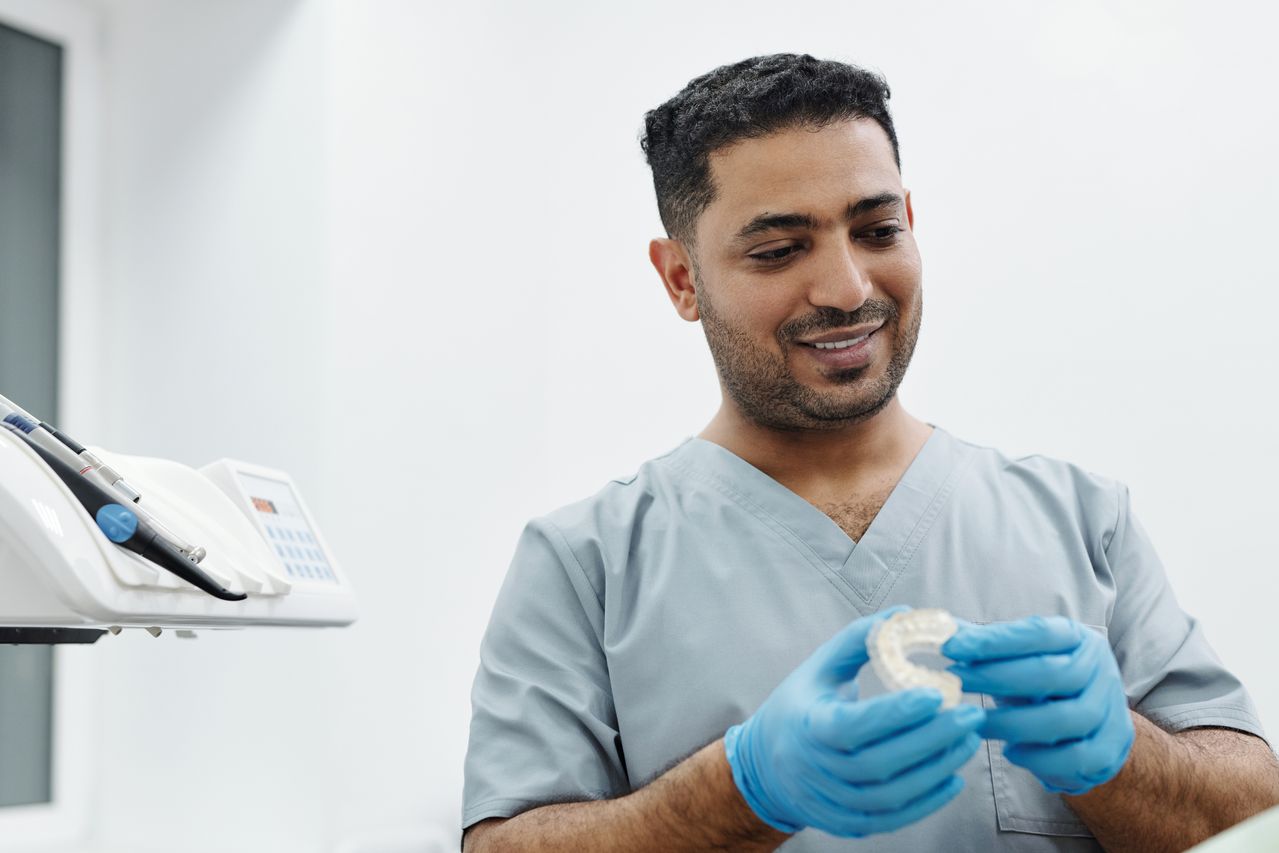
One of the most common treatments is a custom-made night guard or splint. This is worn while sleeping and helps protect the teeth from damage. It does not stop the grinding itself, but it reduces the impact and prevents wear.
Because stress is a major cause, reducing stress can make a big difference. Relaxation techniques such as deep breathing, meditation, or exercise can help lower jaw tension. Reducing caffeine and alcohol intake, especially in the evening, may also reduce symptoms.
If teeth grinding is linked to bite problems, a dentist may suggest correcting the alignment. This could involve orthodontic treatment or adjusting certain teeth so that the bite is more balanced.
In more severe cases, treatments such as muscle-relaxing injections (for example, botulinum toxin) may be used to reduce jaw muscle activity. This is usually reserved for patients who have not improved with other methods.
If sleep disorders are involved, such as sleep apnoea, treating the underlying condition can also help reduce grinding.
Stopping teeth grinding completely can be difficult, especially if it is linked to sleep or stress, but it can usually be managed effectively.
The first step is awareness. Many people only find out they grind their teeth after a dental check-up. Regular dental visits are important so early signs like worn enamel or jaw tension can be spotted.
Improving sleep habits can also help. Going to bed at a regular time, avoiding screens before sleep, and creating a calm bedtime routine can reduce night-time jaw activity.
Managing stress is often key. Since stress is one of the leading causes, finding healthy ways to cope can significantly reduce symptoms over time. Even small changes, such as taking breaks during the day or improving work-life balance, can help.
Wearing a night guard is one of the most effective ways to protect the teeth while other underlying causes are being addressed. While it may not stop the grinding itself, it prevents long-term damage.
In many cases, teeth grinding improves once contributing factors are identified and managed properly. With the right combination of dental care and lifestyle changes, most people can significantly reduce symptoms and protect their teeth from further harm.
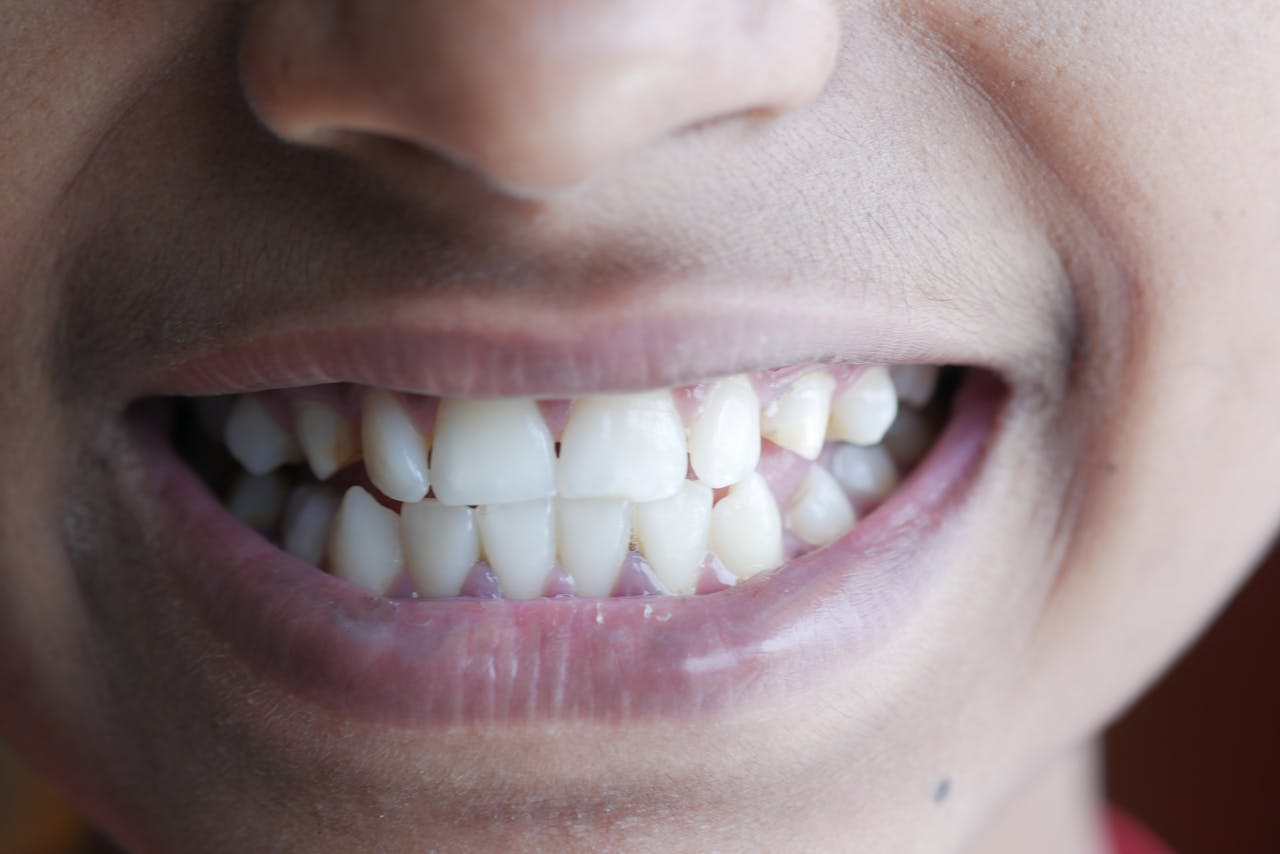
An orthodontist can help with teeth grinding by looking at whether your bite or tooth alignment is contributing to the problem. In some cases, if the teeth do not meet evenly when you bite down, it can put extra strain on certain teeth and jaw muscles, which may make grinding more likely or more severe.
Orthodontic treatment, such as braces or clear aligners, can help move the teeth into a more balanced position. When the bite is properly aligned, the pressure is spread more evenly across all teeth, which can reduce strain on the jaw and help ease symptoms over time.
It is important to understand that orthodontic treatment does not always completely stop teeth grinding, especially if the main cause is stress or sleep-related. However, it can remove one of the contributing factors and reduce the long-term damage caused by grinding.
An orthodontist can also work alongside your dentist to ensure your teeth are protected during treatment. In some cases, a night guard may still be recommended to prevent wear while your bite is being corrected.
To speak to a specialist orthodontist in London about teeth grinding, contact Bass Orthodontics today on 020 7580 8780 or email us at reception@bassorthodontics.com