Orthodontic treatment is highly successful for most patients, but sometimes teeth can move back, treatment goals may not be fully achieved, or unexpected complications can affect the final result.
Research shows that orthodontic relapse is relatively common, especially when retainers are not worn correctly after treatment. In fact, studies have found that lower front teeth can continue to shift naturally throughout life, even after successful orthodontic treatment.
The success rate of orthodontic treatment is around 88-90%, with the higher success for seasoned practitioners.
At Bass Orthodontics, we are a leading orthodontist in London for over 50 years and we carefully monitor every stage of treatment and provide long-term retention plans to help maintain stable, healthy results.
Teeth moving back after orthodontic treatment is called orthodontic relapse. This can happen months or even years after braces or aligners are removed. The most common reason is not wearing retainers consistently enough.
After orthodontic treatment, the gums, bone, and surrounding tissues need time to stabilise around the new tooth positions. Without retainers, teeth can slowly drift back towards where they started.
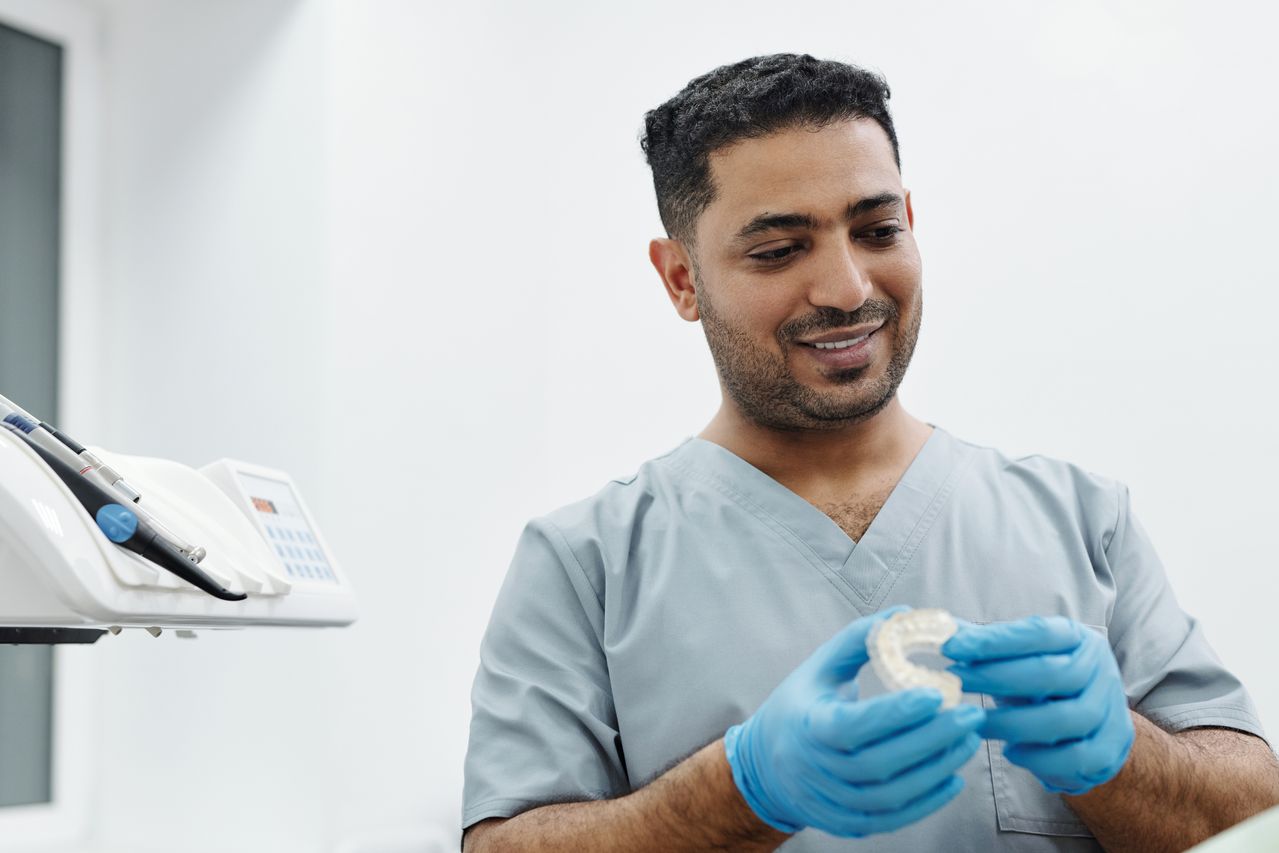
Through our Retainer Guidance, patients are advised on how to maintain their results long term. In many cases, minor relapse can be corrected relatively easily using invisible aligners or short-term retreatment.
Are results from orthodontic treatment permanent?
Does orthodontic treatment always work?
If teeth relapse after orthodontics, the next step depends on how severe the movement is. Mild relapse may only require new retainers or a short course of aligners. More noticeable movement may need further orthodontic treatment.
Relapse is particularly common in the lower front teeth because these teeth naturally become more crowded with age. Bite changes, teeth grinding, gum disease, and wisdom teeth pressure can also contribute to movement over time.
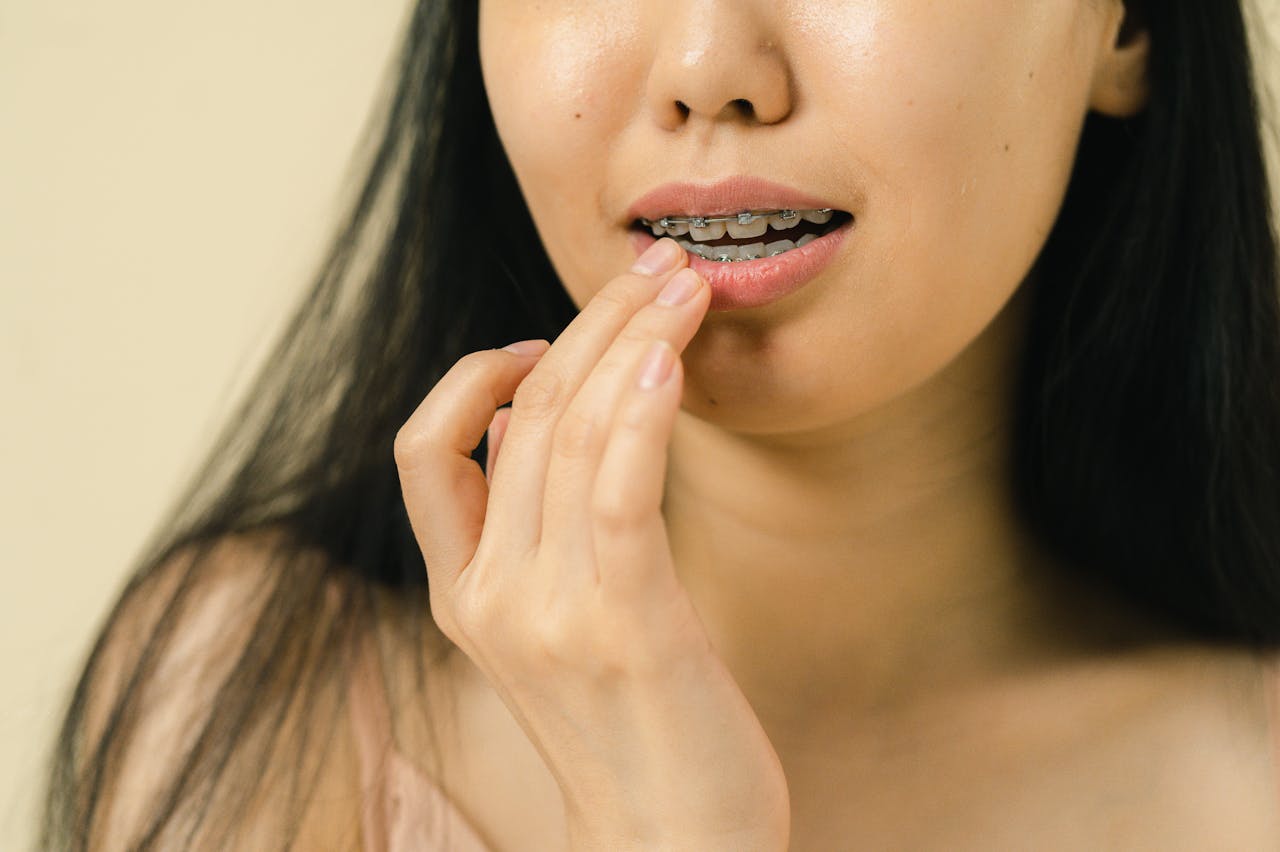
Via our treatments page, patients can explore discrete retreatment options including ceramic braces and Clearline® invisible aligners.
For many patients who find that their teeth relapse and are no longer straight many years after treatment, it is not uncommon to have braces a second or third time. This is often when patients had the braces as teenagers and their teeth have moved due to jaw development and no longer wearing a retainer for over a decade. It is therefore quite common to have something less invasive like invisible braces on a single or dual arch - and depending on the complexity, it may only be for a couple of months.
Complete orthodontic failure is uncommon, but treatment can become less effective if instructions are not followed properly. One of the biggest issues is poor compliance with aligners or elastics. Invisible braces only work when they are worn for the recommended 20–22 hours per day.
Missed adjustment appointments can also slow treatment or affect results. In some cases, teeth may not move exactly as predicted biologically, particularly in more complex bite corrections.
Other factors that can affect treatment success include:
At Bass Orthodontics, patients can learn more about ceramic braces options that offer highly controlled and predictable tooth movement.
At Bass Orthodontics, preventing problems starts with careful planning and regular monitoring. Every patient receives a personalized treatment plan based on detailed assessments, digital imaging, and bite analysis.
Throughout treatment, regular reviews allow the team to monitor progress closely and make adjustments where needed. Patients are also given clear instructions on wearing aligners, maintaining oral hygiene, and caring for retainers after treatment finishes.
Retention is treated as a key part of the orthodontic process, not an afterthought. Long-term retainer wear and follow-up support help reduce the risk of relapse and protect your investment in your smile.