Yes and no. Orthodontic braces can help people achieve beautifully straight teeth and the results can sometimes be permanent and for life.
However, teeth have a habit of moving back into their natural positions, known as relapsing. For some patients, their teeth might move more due to factors such as age, grinding, crowding, poor oral hygiene and more.
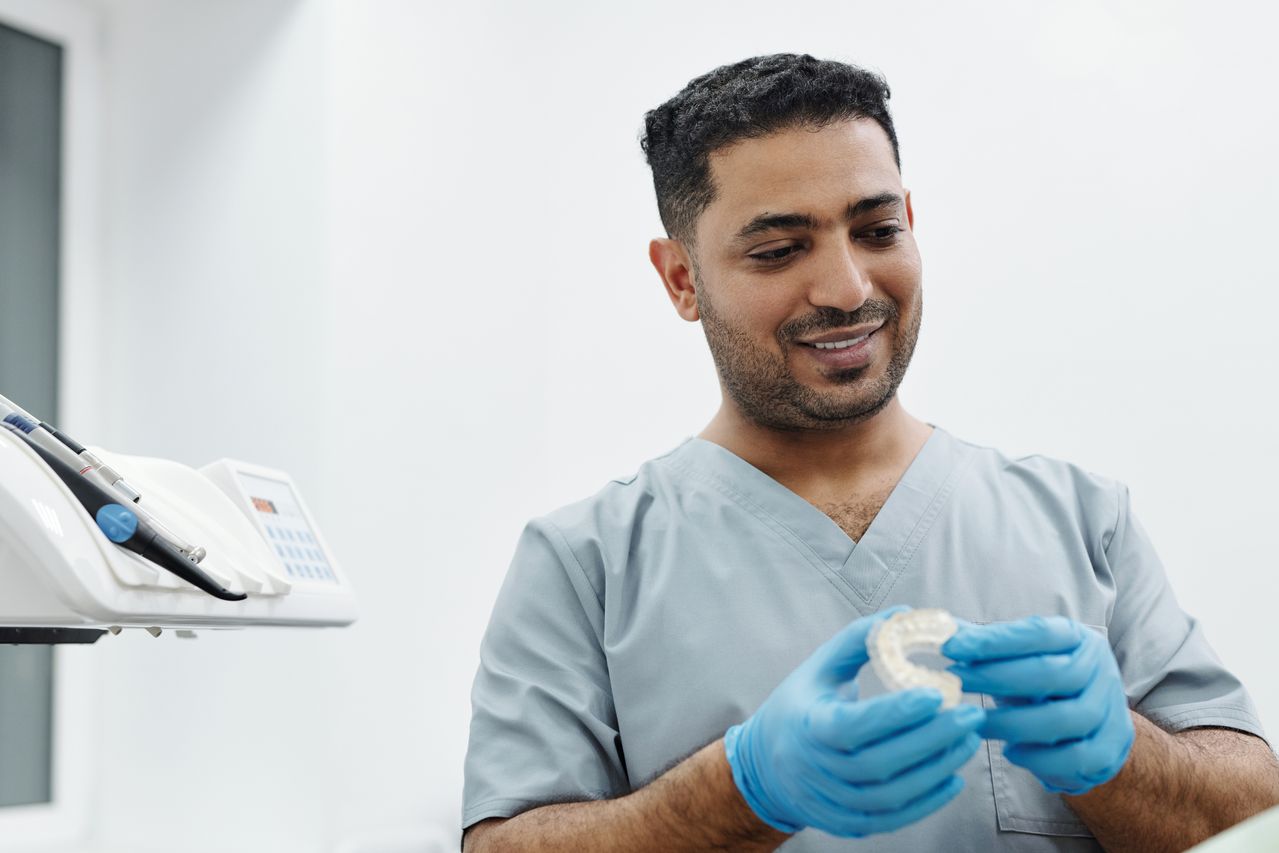
To maximise results after orthodontic treatment, you will be advised by your orthodontist to wear a retainer to keep your teeth straight. Following their advice and monitoring this over the years will help make the results last several years and even decades.
The results from orthodontic braces should last for many years and even decades - whether you use braces such as damon, lingual, traditional metal and invisible aligners.
This is assuming you continue to wear the retainers assigned by your orthodontist, and follow their ongoing advice.
Wearing retainers full-time for 3-6 months: When braces are first removed, your teeth are more likely to shift, so most orthodontists recommend wearing your new retainers full time (day and night) for the first 3-6 months, removing it only to eat, drink hot drinks, and brush your teeth. This period allows the bone and gums around the teeth to settle to into their new positions.
After 6 months, only wear retainers at night: After the initial months, you are usually advised to switch to wearing your retainers only at night-time to keep your teeth straight long term. Many UK orthodontists now advise wearing retainers indefinitely at night to keep teeth straight long term. Wearing a retainer while you sleep is usually enough to prevent teeth from moving.
The results of braces are not always permanent, as several factors can affect how straight your teeth will continue to be after many years with age being one of the most important.
Age plays a role in how teeth change. When people are younger, their jaws and bones are still developing. This can make orthodontic treatment easier and sometimes more stable. However, even young patients can experience tooth movement later in life.
As people age, changes in the jaw, gums and bone structure are normal. Teeth may shift slightly due to natural wear, pressure from chewing, or changes in the shape of the face. This means that even if someone had orthodontics as a teenager, their teeth may move in adulthood due to various natural factors and if their retainers are not worn.
Other lifestyle habits, such as smoking, poor oral hygiene, and not attending regular dental check-ups, can also affect how long results last.
If you stop wearing your retainer too soon, teeth can shift within weeks or months. Small movements may not be noticeable at first, but over time they can become more obvious. In some cases, braces or aligners may be needed again.
Some people do need braces again later in life but this does not mean the first treatment failed. Teeth move naturally, and sometimes changes that come from growing up or wisdom teeth are enough to need further treatment. In many cases, the second treatment is shorter and simpler than the first.
Options such as clear aligners or short-term braces are often used for minor relapse and are more common in orthodontic treatment for adults. An orthodontist can assess whether treatment is needed or if a new retainer will be enough.
Orthodontic braces can provide long-lasting results, but they are not completely permanent without care. This is because teeth can change with age and other factors.
To keep your teeth straight, it is advised to wear your retainers, keep good oral hygiene, and attend regular dental appointments.
While some people may need braces again in the future, most can enjoy a straight smile for many years with the right aftercare.