Orthodontic braces are widely considered one of the most reliable ways to straighten teeth and correct bite problems. In most cases, braces do work when treatment is carried out properly and the patient follows their orthodontist’s advice.
Studies suggest that orthodontic treatment achieves the intended result in around 85–90% of cases.
However, success does depend on several factors, including the complexity of the dental problem, the skill of the orthodontist, and how well patients follow instructions during and after treatment. Braces are very effective, but maintaining the results often requires long-term care.
Bass Orthodontics is a leading orthodontist in Harley Street, London. For more information, call us on 020 7580 8780.
Braces work by applying gentle, consistent pressure to the teeth over time. This pressure slowly moves the teeth into better positions within the jaw.
The process happens because the bone around the teeth is constantly being remodelled. When braces push a tooth in a certain direction, the bone on one side breaks down while new bone forms on the other side to support the tooth in its new position.
Although the movement may not be visible every day, teeth are gradually shifting throughout the treatment period.
Orthodontists often adjust braces every four to eight weeks to keep the pressure consistent and guide the teeth into the correct alignment.
On average, most orthodontic treatments last between 18 and 24 months, although some simple cases may take less time while more complex issues may take longer.
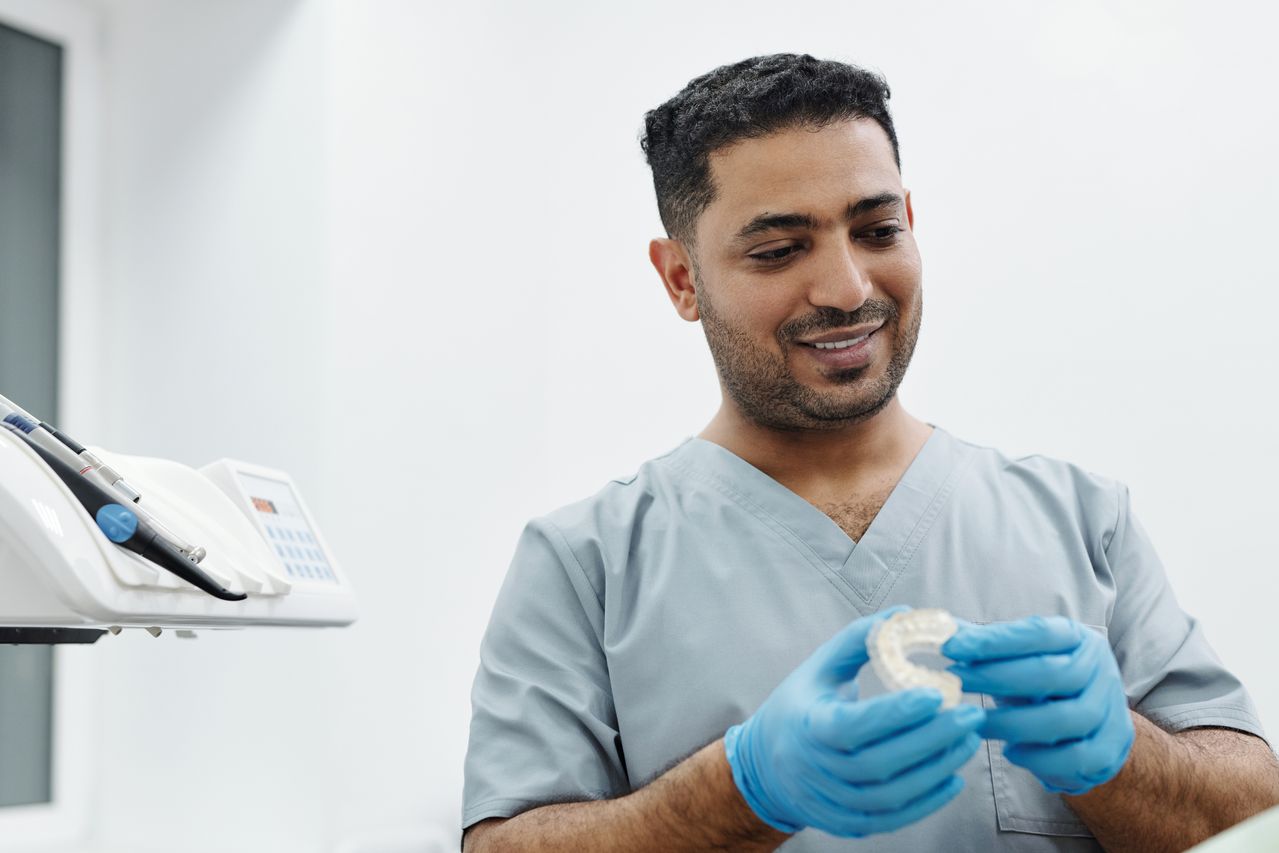
One of the most important parts of orthodontic treatment actually happens after the braces are removed. Patients are usually given retainers to wear, which help keep the teeth in their new positions while the surrounding bone and tissues stabilise.
Without retainers, teeth can gradually move back towards their original positions, a process known as orthodontic relapse. Research suggests that up to 50% of patients may experience some level of tooth movement after treatment if they do not wear retainers as advised. For this reason, many orthodontists recommend wearing retainers full time for several months after braces are removed, followed by wearing them at night for the long term.
Retainers are designed to maintain the results achieved during treatment. In many cases, orthodontists now advise patients to continue wearing a retainer at night indefinitely to keep teeth straight.
Even after successful orthodontic treatment, teeth can still shift later in life. Whilst most people have orthodontics for teenagers, teeth naturally move slightly over time as part of the ageing process. Changes in the jaw, gum health and daily habits can all affect tooth position.
For example, teeth may crowd slightly in adulthood, particularly in the lower front teeth. Some people also experience changes after losing teeth or developing gum disease. This means that, although braces are effective, there is always a possibility that someone may need further orthodontic treatment later in life.
In some cases, adults choose to have braces or clear aligners again to correct small changes that have occurred over the years. This does not mean the original treatment failed, but rather that teeth can continue to move throughout life.
Braces can work successfully for people of almost any age. However, orthodontic treatment is often considered slightly easier and faster in children and teenagers. This is because their jaws are still developing, which makes it easier to guide the growth of the teeth and jaw into better positions.
Many orthodontists recommend that children have an orthodontic assessment by the age of seven. Early assessments allow specialists to identify potential problems before they become more complicated. Teenagers are the most common group to receive braces, and this age group often responds very well to treatment.
Adults can still achieve excellent results with braces. In fact, the number of adults seeking orthodontic treatment has increased significantly in recent years. Some estimates suggest that around 20–25% of orthodontic patients are now adults (see orthodontists for adults). The main difference is that adult treatment may take slightly longer because the bones are fully developed and less flexible than in younger patients.
Read more: What is the best age for braces?
Another important factor that affects how well braces work is patient cooperation. Orthodontists rely on patients to follow certain instructions during treatment. This may include maintaining good oral hygiene, avoiding certain foods that could damage the braces, and attending regular adjustment appointments.
For patients using removable orthodontic devices or clear aligners, wearing them for the recommended number of hours each day is essential. Most aligners must be worn for 20 to 22 hours per day to work properly.
If patients do not follow these guidelines, treatment can take longer or may not achieve the best possible outcome. Good communication between the orthodontist and patient plays a key role in ensuring treatment is successful.
Overall, orthodontic braces are a highly effective way to correct crooked teeth, crowding and bite problems. With modern orthodontic techniques and careful planning, the majority of patients achieve the results they expect.
However, the long-term success of orthodontic treatment does not end when the braces come off. Wearing retainers, maintaining good dental hygiene and attending regular dental check-ups are all important for preserving the results.
When patients follow their orthodontist’s advice and look after their teeth properly, braces can provide long-lasting improvements to both oral health and appearance.