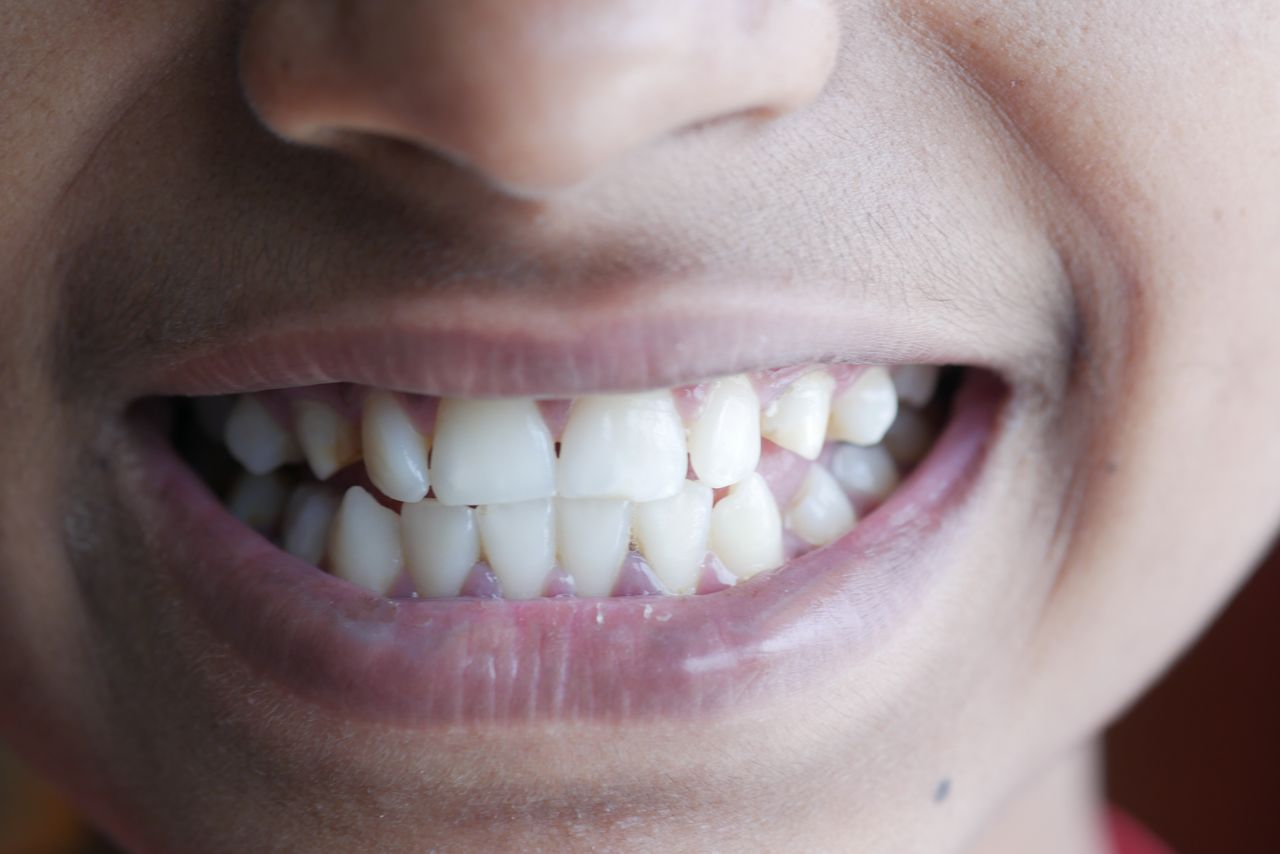
Yes, Invisalign can correct many bite problems, including overbites, underbites, crossbites and open bites, especially when they are mild to moderate and caused by the position of the teeth. More severe problems that come from the jaws themselves may need fixed braces, or orthodontics combined with jaw surgery.
At Bass Orthodontics, we use our own Clearline® aligner system, which works in a similar way to Invisalign and is designed personally by Dr Anton Bass.
Find out more about our occlusion specialists in Harley Street, or book a free e-consultation from home.
Invisalign can correct most common bite problems, including overbites, underbites, and more, as long as they are not too severe.
Many people have more than one of these at the same time, often alongside crowding or gaps.
Invisalign corrects a bite by moving the upper and lower teeth in small, planned steps until they meet in a better position.
Each new set of aligners applies gentle pressure to specific teeth. Small tooth-coloured bumps called attachments help the aligners grip, and elastic bands between the top and bottom aligners can help move the bite forwards or backwards.
The whole treatment is mapped out with 3D software before you start, so you can see how your bite is expected to change.
Bite problems are very common, and most people have at least a small one.
A worldwide review of malocclusion published in the European Journal of Paediatric Dentistry found that 56% of children and adolescents had some form of malocclusion, rising to 72% in Europe. A separate global review found that a crossbite at the back of the mouth affected around 9% of people.
Not every bite difference needs treating, but a specialist can tell you whether yours is worth correcting.
Invisalign may not be able to correct your bite fully if the problem comes from the jaw bones rather than the teeth.
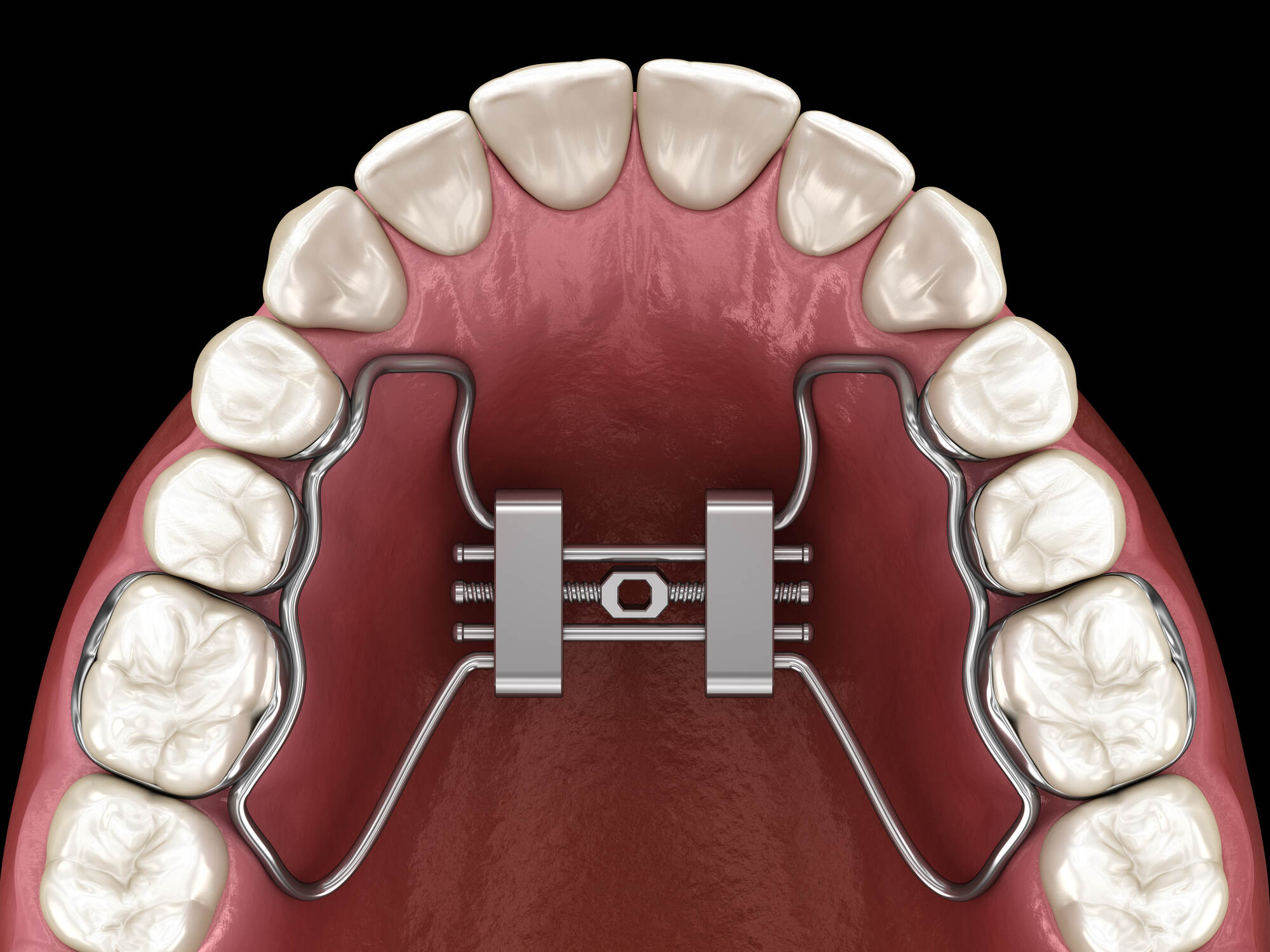
Large differences between the size or position of the upper and lower jaws are harder to fix by moving teeth alone. In these cases, ceramic braces may give more control, and some adults need jaw surgery alongside orthodontic treatment.
Even in suitable cases, aligners do not always finish the job alone. A study of 500 Invisalign patients in the American Journal of Orthodontics and Dentofacial Orthopedics found that around 1 in 6 (17.2%) switched to fixed braces to complete their treatment.
Invisalign usually takes around 12 to 18 months to correct a bite, although simple cases can be quicker and complex ones can take longer.
Bite correction often sits at the longer end of this range, because both arches need to move and settle together. Wearing your aligners for 20 to 22 hours a day is essential for the bite to change as planned.
It is often worth correcting your bite if it affects how you chew, how your teeth wear or how easily you can keep them clean.
A poor bite can put extra pressure on certain teeth, causing chips, wear or sensitivity over time. Crowded or overlapping teeth can also be harder to brush properly.
That said, the link between bite and jaw joint pain is complex, and correcting your bite will not always resolve jaw symptoms. Your orthodontist will assess these separately.
The best way to know if Invisalign is right for your bite is to have a specialist orthodontic assessment.
Dr Anton Bass is a dental occlusion specialist with decades of experience. At your consultation, we look at how your teeth and jaws meet, take digital scans and explain whether clear aligners or another approach would give you the best result.
For more information, call 020 7580 8780 or email us at reception@bassorthodontics.com