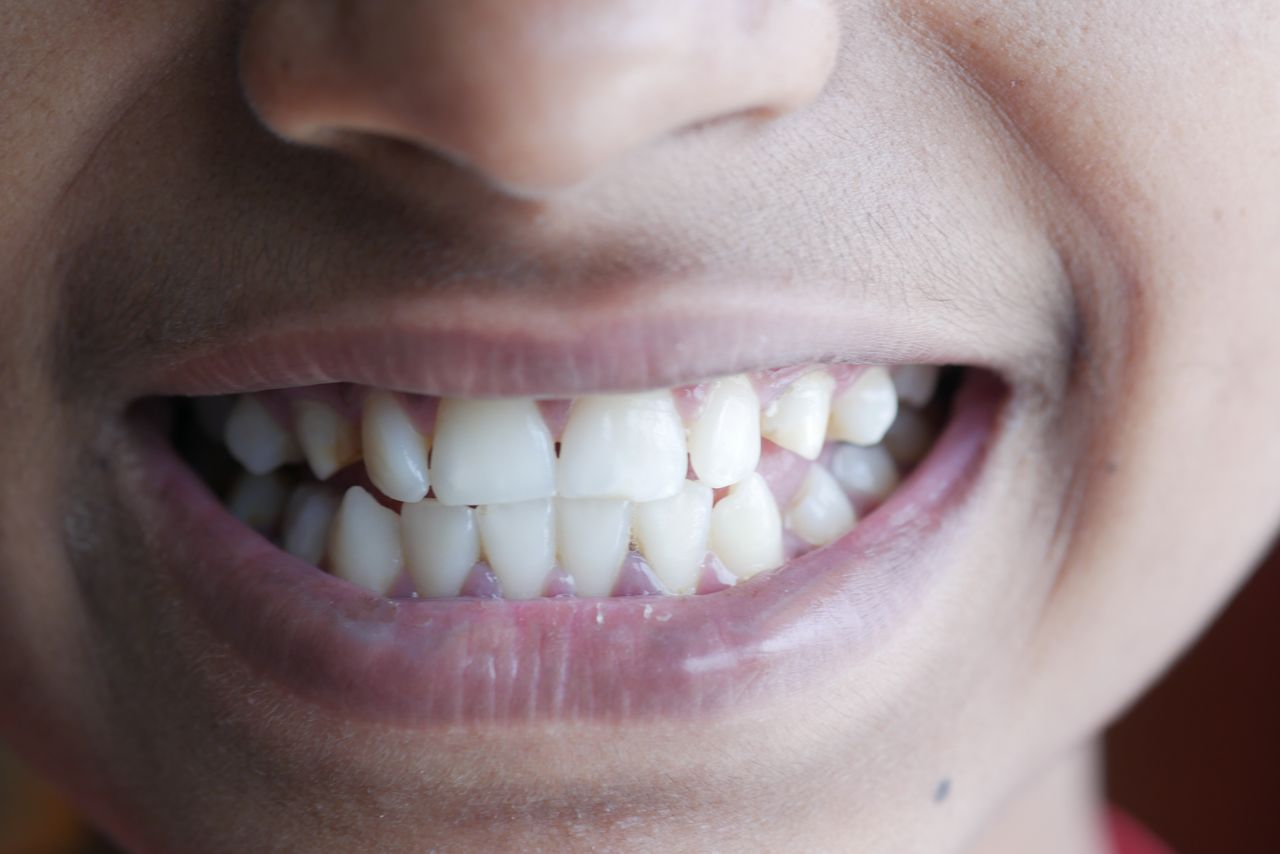
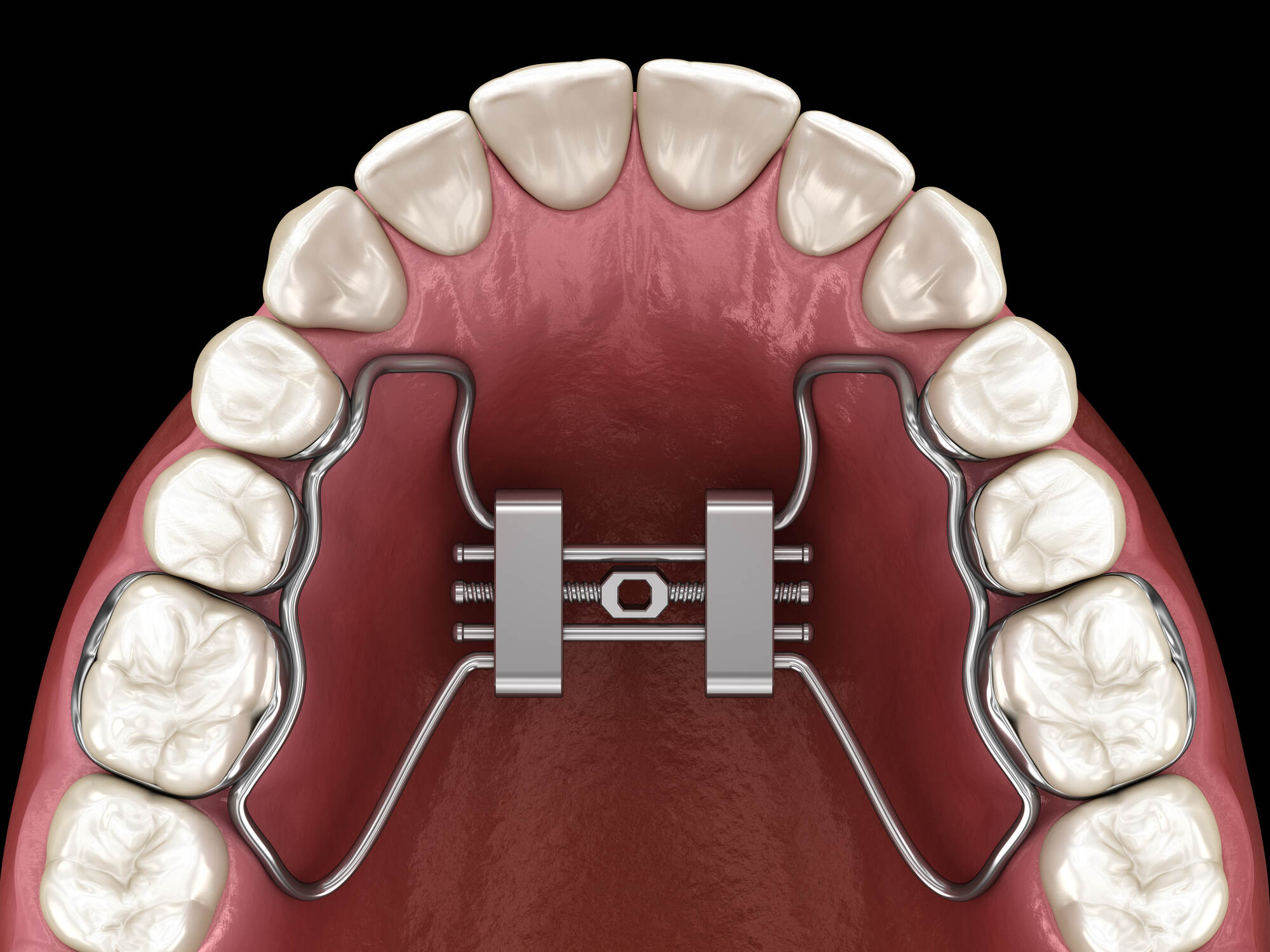
Yes, Invisalign can close most small to moderate gaps in your teeth by gradually moving the teeth together until the spaces disappear. It does not add anything to the teeth, so if a gap is caused by a missing or very small tooth, Invisalign may be combined with bonding, veneers or a tooth replacement.
Find out more about our invisible braces in Harley Street, or book a free e-consultation to see whether aligners can close your gaps.
For more information, call 020 7580 8780 or email us at reception@bassorthodontics.com
At Bass Orthodontics, we close gaps using our own Clearline® aligners, which work in a similar way to Invisalign and are planned personally by Dr Anton Bass.
Invisalign closes gaps between teeth by pushing them a tiny amount at a time towards each other with each new aligner.
Your orthodontist plans every movement in 3D software before treatment starts. You then wear a series of clear aligners, usually changing them every one to two weeks, until the teeth meet and the gaps are closed.
Small tooth-coloured attachments may be added to some teeth so the aligners can move them upright, rather than letting them tip into the space.
Invisalign can close most types of gaps, including a gap between the two front teeth and spaces spread across the whole smile.
It works well for:
Gaps caused by missing teeth or teeth that are naturally narrow can be harder, as closing them fully may affect your bite.
Invisalign is very effective at closing gaps, particularly smaller ones. A study of 55 adults treated with Invisalign found that the average gap shrank from 3.3 mm to just 0.4 mm, and 70.9% of patients needed no extra aligners at the end. Patients with the widest gaps, averaging over 10 mm, still had around 2 mm left, and most of this group needed a further round of aligners.
This is why your orthodontist will plan carefully and may slightly overcorrect larger gaps from the start.
Gaps between teeth are usually caused by a mismatch between the size of the teeth and the size of the jaw.
Other common causes include:
Spacing is common. A review of malocclusion studies found that spacing affected up to 60% of children and adolescents in some groups.
Invisalign can close a small gap in a few months, while larger gaps or gaps alongside other problems usually take longer.
Most full treatments at our practice take around 12 to 18 months. The time depends on how many gaps you have, how wide they are and whether your bite also needs correcting.
If Invisalign cannot fully close your gaps, the remaining space can usually be treated with bonding, veneers or a replacement tooth.
In some cases, the best plan is to close part of the gap with aligners and then reshape or build up narrow teeth with tooth-coloured composite. Where a tooth is missing, orthodontics can position the neighbouring teeth so the space is the right size for an implant or bridge.
We can work alongside your dentist so every stage fits together. You can see examples of finished cases in our results gallery.
The gaps can come back after Invisalign if you do not wear a retainer, because teeth naturally try to drift back.
Gaps between the front teeth are especially likely to reopen. For this reason, many patients have a thin wire bonded behind the front teeth as well as a removable clear retainer for night-time wear.