If you have overcrowded bottom teeth, your main options are clear aligners, fixed braces such as ceramic braces, and in some cases gently creating extra space so the teeth can line up. Whichever treatment you choose, a retainer afterwards is essential, because lower front teeth are particularly prone to moving back.
The right option depends on how severe the crowding is, whether your bite also needs correcting and how you feel about the look of braces.
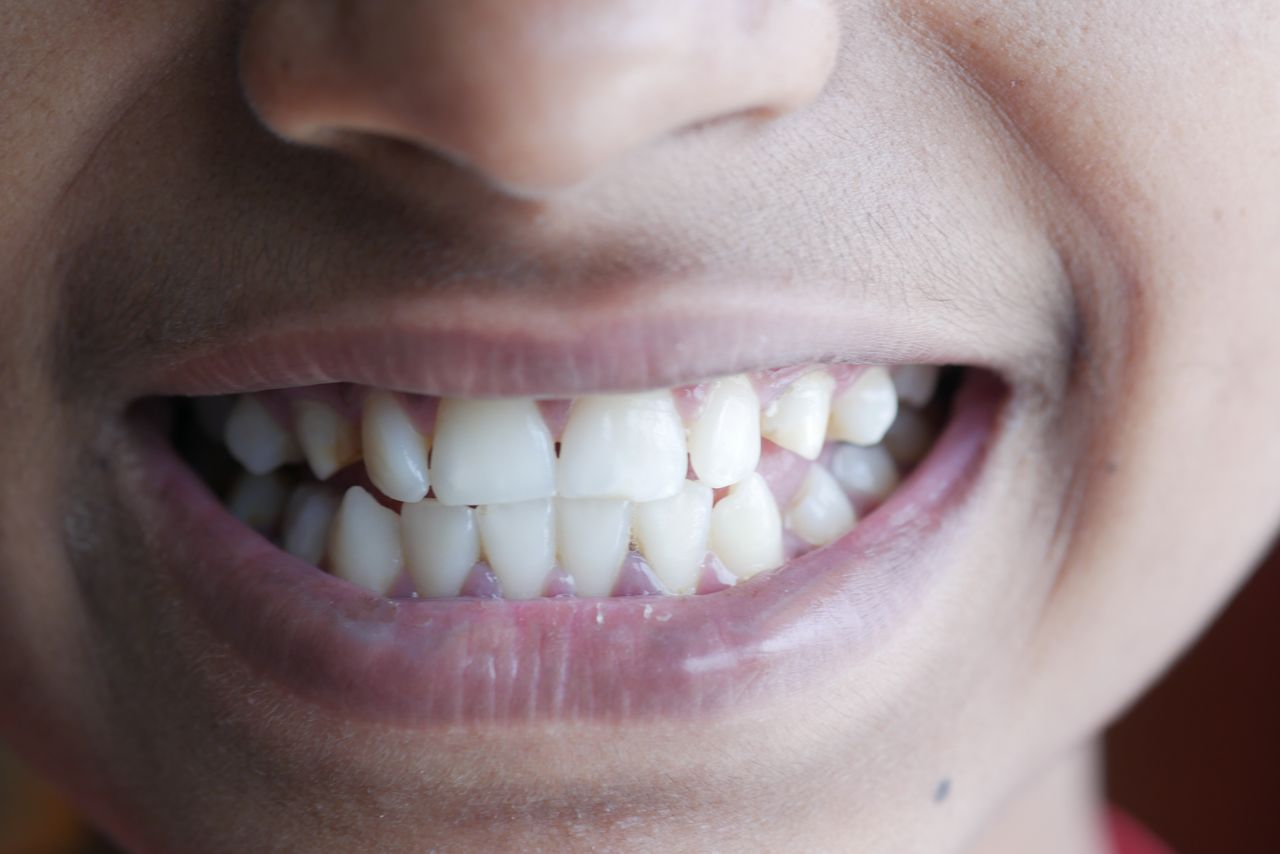
Your bottom teeth usually become overcrowded because there is not enough room in the lower jaw for all of them to sit in a straight line.
Common reasons include:
Crowding is one of the most common orthodontic problems. A large review of malocclusion studies found that crowding affected around a third of young people overall, and around 1 in 5 in the lower arch.
Overcrowding in your bottom teeth can be a problem because overlapping teeth are harder to clean properly.
Plaque and tartar build up more easily in the tight spaces, which raises the risk of gum disease and decay. Crowded teeth can also wear unevenly or chip if they knock against the upper teeth when you bite.
For many people, though, the main concern is simply the appearance, and that is a perfectly good reason to seek treatment.
Yes, clear aligners can fix most mild to moderate overcrowding in the bottom teeth.
Aligners gently move the teeth into line over a series of trays, and they are removable and almost invisible. At Bass Orthodontics, we use our own Clearline® invisible braces (similar to Invisalign braces), which Dr Anton Bass designs personally using 3D planning software.
Aligners work best when crowding is not too severe and you can wear them for 20 to 22 hours a day.
Braces are often a better option for crowded bottom teeth when the crowding is severe or several teeth are badly twisted.
Fixed braces give the orthodontist constant control over each tooth, which helps with difficult rotations and larger movements. Ceramic braces offer the same control as metal braces but are tooth-coloured, so they are much less noticeable.
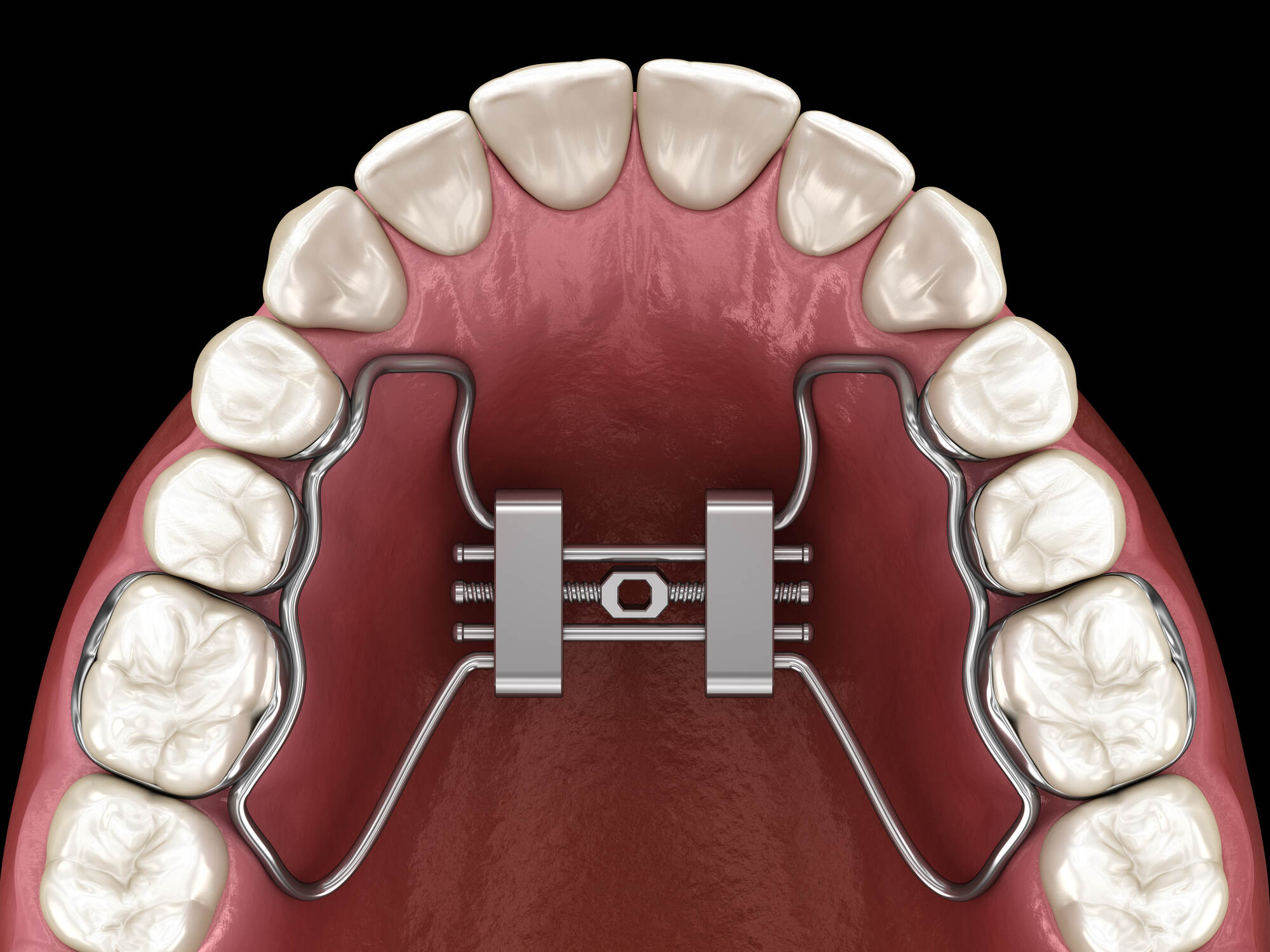
Orthodontists make space for crowded bottom teeth by slightly widening the arch, reshaping the sides of the teeth or, occasionally, removing a tooth.
The main methods are:
Your orthodontist will choose the approach that gives the most stable result without affecting your bite or gum health.
Yes, overcrowded bottom teeth can come back after treatment, and the lower front teeth are the most likely to move.
Long-running research from the University of Washington found that fewer than 30% of patients kept satisfactory alignment of their lower front teeth 10 years after retainers were removed. A study of patients more than 10 years after treatment found a much better picture with ongoing retention, with 88% of lower front teeth still acceptably aligned and fixed retainers making a big difference.
This is why we usually recommend a thin fixed wire behind the lower front teeth, often alongside a removable retainer at night.
Yes, overcrowded bottom teeth can be fixed even as an adult, as teeth can be moved at any age.
Many adults come to us because their lower teeth have crowded gradually over the years, sometimes long after childhood braces. Find out more about our adult orthodontic treatment in Harley Street, or book a free e-consultation from home.
For more information, call 020 7580 8780 or email us at reception@bassorthodontics.com