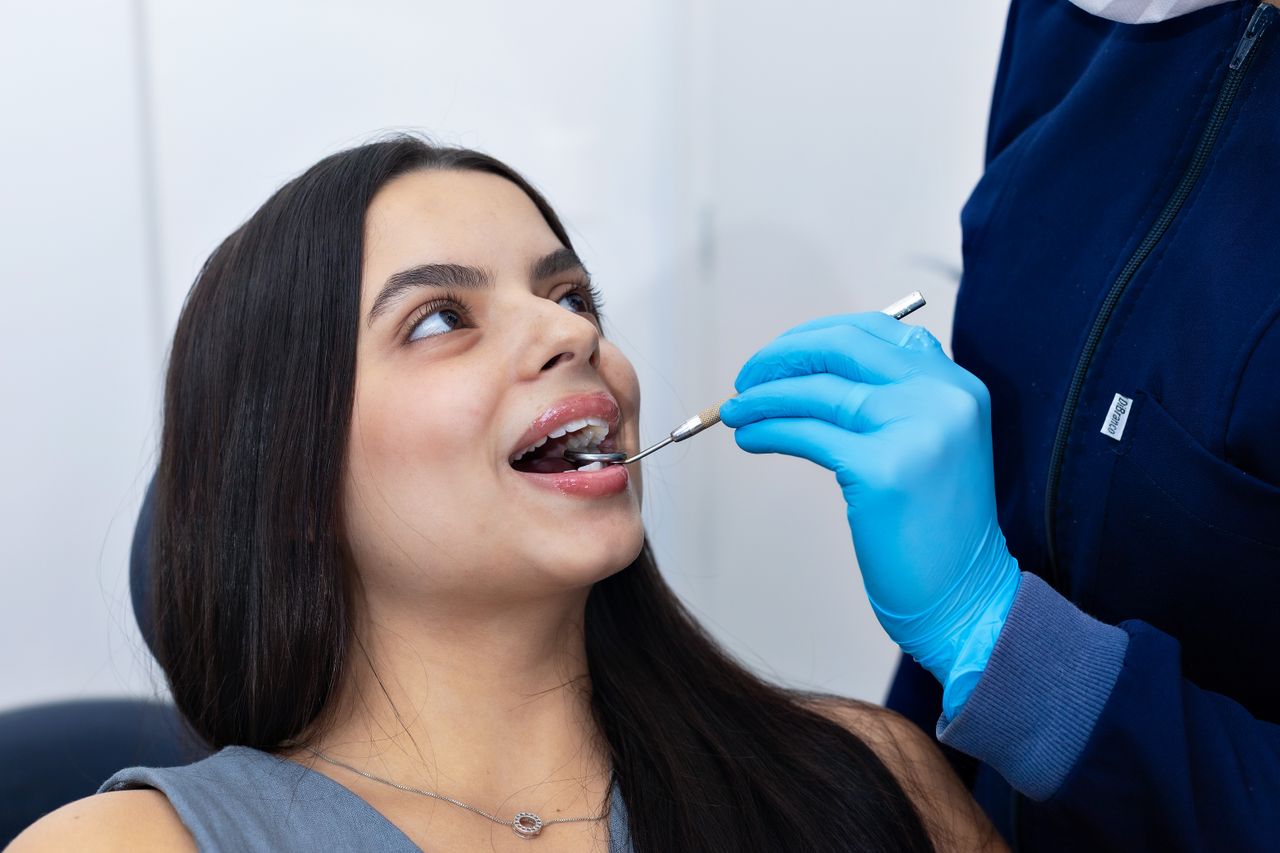
It is quite common for children and teenagers to feel unhappy about wearing braces. They may worry about how they look, feel uncomfortable or simply dislike having to follow new rules.
Around one in three children needs orthodontic treatment, including early intervention orthodontic treatment, so your child is certainly not alone - and there are some ways to help them feel more comfortable wearing braces so that the treatment is successful.
Bass Orthodontics are leading orthodontists in London for early intervention and braces for children. For any further questions, please email us at reception@bassorthodontics.com or call us on 020 7580 8780.
The first step is to understand why your child does not want to wear their braces. For some children, it may be about appearance. They may feel self-conscious at school or worry about what their friends will think.
For others, braces can feel uncomfortable, particularly when they are first fitted or adjusted. Your child may also find eating, cleaning their teeth or playing sports more difficult than before.
Try to listen rather than immediately telling them that they must wear their braces. Ask what they dislike about them and take their concerns seriously.
Children are often more willing to wear braces when they understand why they need them. Explain that braces are not simply about having a straighter smile. Orthodontic treatment can also improve the way the upper and lower teeth meet, make teeth easier to clean and help correct problems with the bite.
It can help to focus on the end result rather than the brace itself. Remind your child that treatment is temporary, while the benefits can last for many years with good aftercare.
Avoid making the conversation sound like a punishment. Instead, make it clear that wearing the brace is part of working towards a goal they will hopefully be pleased with.
A regular routine can make braces feel much less difficult. If your child has a removable brace or clear aligners, encourage them to keep them in their case whenever they take them out. This reduces the chance of losing or damaging them.
For children with fixed braces or orthopaedic braces, encourage a consistent cleaning routine. Braces can trap food and make plaque build-up more likely, so keeping the teeth and brace clean is particularly important. The NHS recommends brushing with fluoride toothpaste in the morning, at night and after meals, as well as cleaning between the teeth.
Small reminders can also help. For younger children, a simple morning and evening routine can make looking after their braces feel normal rather than like another chore.
If your child is repeatedly refusing to wear their brace, speak to your orthodontist for advice.
This is particularly important if they are experiencing pain, the brace is broken or they are struggling to use it correctly. Your orthodontist may be able to make adjustments or suggest ways to make treatment more comfortable.
For children who are worried about how their braces look, there may also be different treatment options depending on their individual needs. The British Orthodontic Society notes that options can include tooth-coloured ceramic braces, lingual braces and clear aligners in suitable cases.
However, not every option will be suitable for every child, so your orthodontist should explain what is appropriate.
Not following the orthodontist's instructions can affect treatment. With removable appliances or aligners, not wearing them for the recommended amount of time can mean the teeth do not move as planned.
This can potentially make treatment take longer. It is therefore important that your child understands that wearing the brace is an active part of their treatment, rather than something that can simply be ignored.
Orthodontic treatment commonly takes 12 months to two and a half years, although the exact length varies from child to child.
Feeling self-conscious is particularly common during the teenage years. Try not to dismiss their concerns by saying that appearance does not matter.
Instead, talk openly about what worries them. If they are concerned about comments from other children, help them think of a simple response. Sometimes knowing what to say can make a situation feel less intimidating.
You can also remind them that braces are very common. NHS data shows that 6.9 million children were seen by an NHS dentist in England in the year to March 2025, showing how many children are regularly receiving dental care.
It can be tempting to remind your child about their braces repeatedly, but constant nagging can turn treatment into an argument.
Instead, praise them when they look after their braces properly. Keep the focus on progress and the final result.
Most importantly, stay involved without taking complete control. As children get older, helping them understand their own treatment and take responsibility for it can make it easier for them to stay committed.
Your child's treatment does not necessarily end when the braces are removed. They will normally need to wear a retainer to help keep their teeth in their new positions.
Removable retainers are usually worn every night and are often needed for at least 12 months, although the orthodontist will give individual advice.
Helping your child understand this from the beginning can make the whole process easier. Braces are temporary, but maintaining the results requires ongoing care.
If your child is struggling with their braces, the best approach is usually patience, encouragement and communication with their orthodontist. With the right support, wearing braces can become a normal part of their daily routine rather than something they constantly want to avoid.