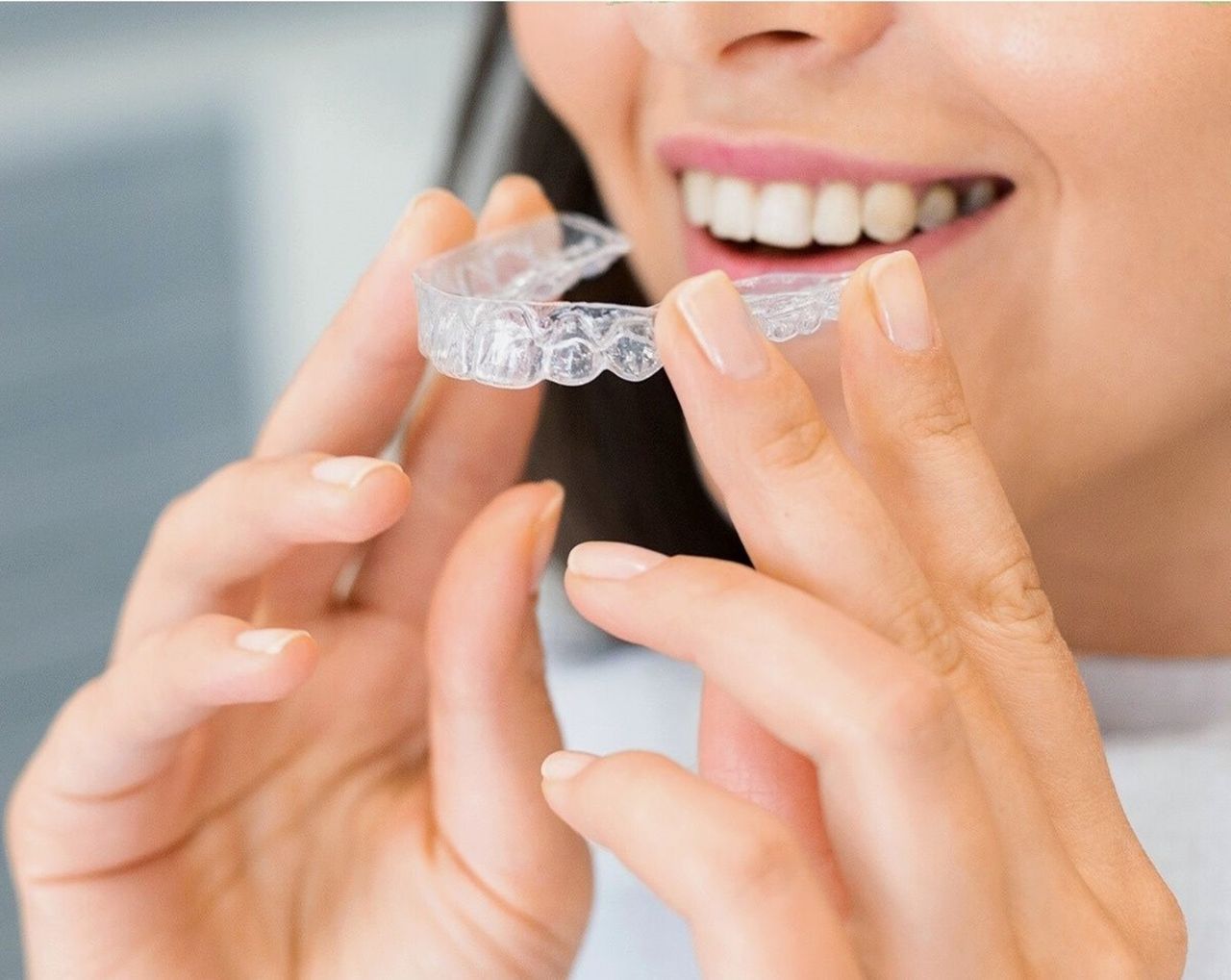
Yes, your bite may still need adjusting after Invisalign treatment is complete if it is not perfected. This could involve wearing additional aligners for a short period or having further treatment recommended by your orthodontist.
Bass Orthodontics offers invisible braces in Harley Street to help you achieve beautiful straight teeth, at any age. For more information, email us at reception@bassorthodontics.com or call us on 0207 580 8780
Your bite may need further adjustment if some teeth have not moved into their intended positions or if your upper and lower teeth do not meet as planned.
Teeth can respond differently to orthodontic pressure. The complexity of your original bite, how consistently you wore your aligners and how your teeth settle can all affect your final result.
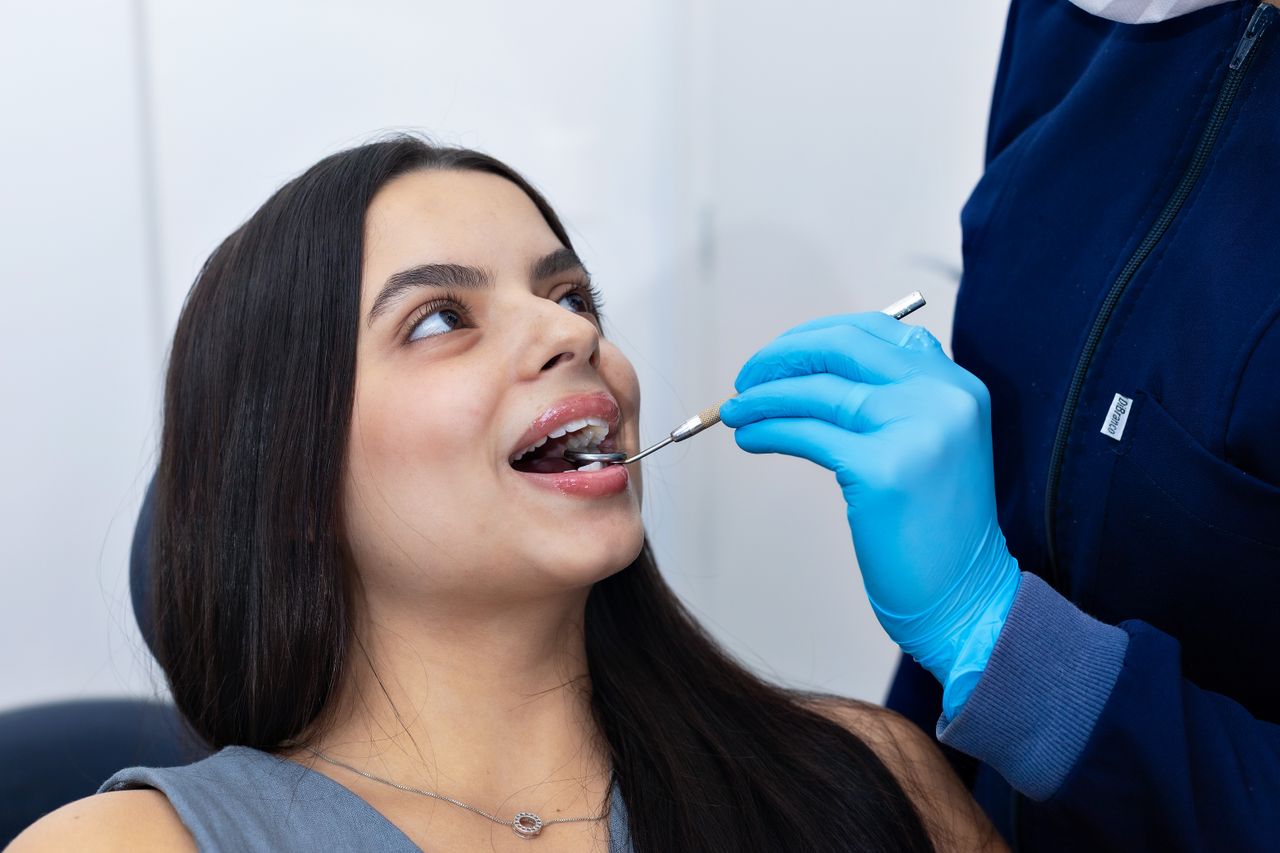
Your orthodontist will assess how your teeth fit together and decide whether additional aligners or another suitable treatment option is needed.
No, Invisalign cannot guarantee that every tooth will move exactly as planned or that every patient will achieve their intended bite without further treatment.
Clear aligners can treat many orthodontic problems, but results depend on your starting tooth positions, the complexity of your case and how your teeth respond to treatment.
Some patients achieve their planned result without further adjustments, while others need additional aligners to refine their smile and bite.
See also: Do invisible braces always work?
It depends on your treatment agreement and whether further adjustments are included in your original fee.
Some treatment plans include a refinement stage, while others may charge extra for additional aligners or appointments. Before starting treatment, ask what is included in your fee and whether there are any conditions attached to further treatment.
If your bite does not feel right after treatment, arrange a review so your orthodontist can assess the situation and explain any available options and costs.
Wearing retainers after Invisalign treatment is essential because your teeth can gradually move back towards their original positions once active treatment has finished.
Retainers help maintain your new tooth positions while the surrounding bone and tissues adapt. Your orthodontist will explain which type of retainer is suitable and how often you need to wear it.
You may initially need to wear a removable retainer more frequently before moving to night-time wear. Follow your orthodontist's instructions, as the recommended schedule varies between patients.
You may need to wear retainers for many years, often indefinitely at night, to help maintain your results.
Teeth can continue to move naturally throughout adult life, even after successful orthodontic treatment. If you stop wearing your retainers,
crowding or gaps may return and your bite may change.
Keep your retainers clean and contact your orthodontist if they become damaged, feel unusually tight or no longer fit properly.
If your bite does not feel right after Invisalign braces, arrange a review with your orthodontist so they can check how your teeth meet and whether further treatment is needed.
Your teeth may need time to settle, but persistent discomfort, difficulty chewing or a noticeable change in your bite should be assessed professionally.
Do not attempt to adjust your bite yourself or change your aligner schedule without advice from your orthodontist.