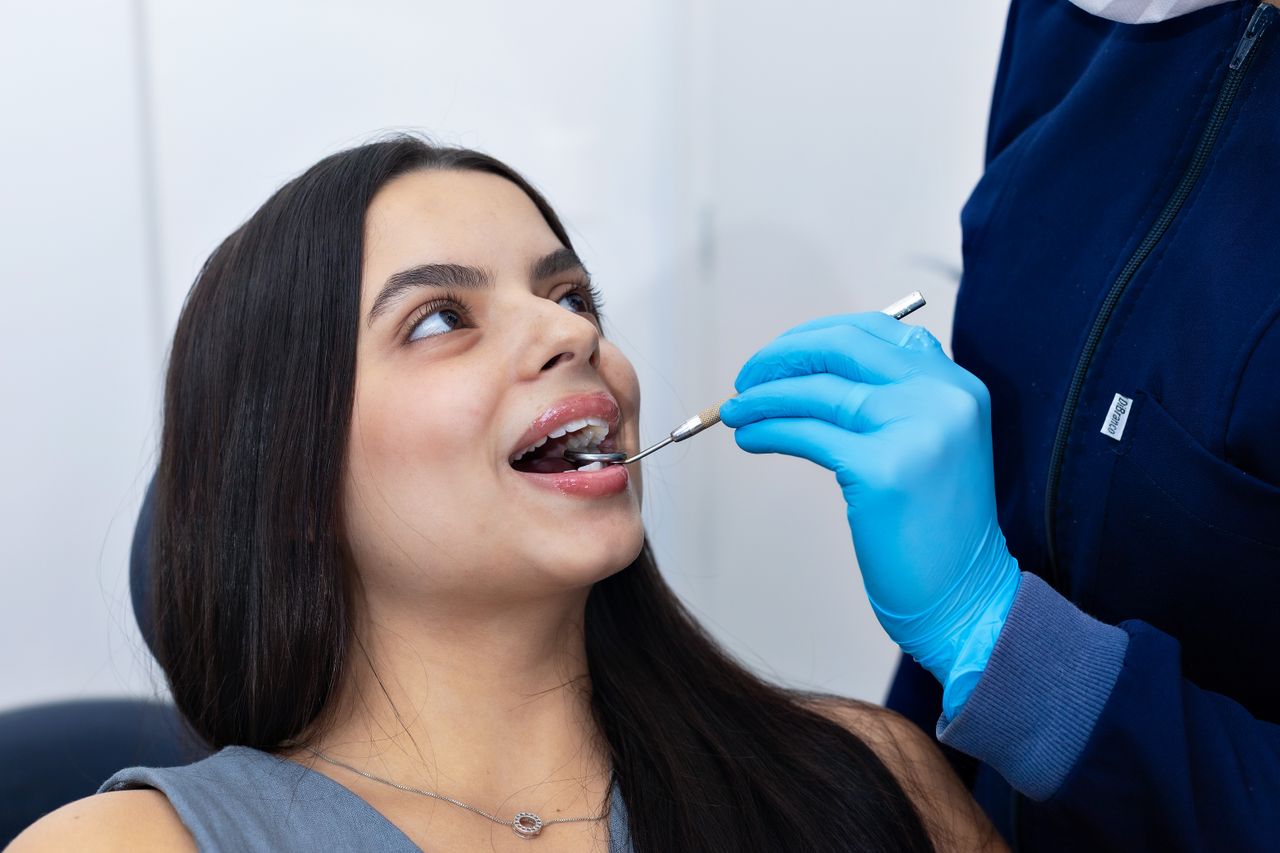
Children can have an orthodontic assessment from the age of 7, when early intervention may help guide jaw development and identify problems with the teeth and bite before they become more complicated.
Not every child needs braces at this age. The purpose of an early assessment is to see how the teeth and jaws are developing and decide whether treatment should begin soon or whether it is better to wait.
Bass Orthodontics are leading orthodontists in London for early intervention and braces for children. For any further questions, please email us at reception@bassorthodontics.com or call us on 020 7580 8780.
Early orthodontic assessment and, where appropriate, treatment may offer several benefits:
At around 7 years old, children usually have a mixture of baby teeth and adult teeth. This gives an orthodontist an opportunity to assess how the adult teeth are coming through and whether the jaws are developing as expected.
Early treatment is not necessary for every child, and it does not always mean that they will avoid braces as a teenager. However, for some children, treating a developing problem at the right time can improve the options available later.
The right treatment depends on your child's teeth, bite, jaw development and stage of growth.
Orthopaedic braces or other appliances may be used to guide jaw development in suitable cases. These are sometimes recommended before all the adult teeth have come through.
Removable braces may be suitable for certain problems, while fixed braces can be used when more precise tooth movements are needed. Some older children and teenagers may also be suitable for clear aligners, depending on their individual needs.
Bass Orthodontics offers early interventional treatment, ceramic braces and its own Clearline® aligner system. An orthodontic assessment can help establish which option, if any, is appropriate for your child.
No, you should not automatically wait until your child is a teenager before seeking orthodontic advice. An assessment from around 7 years old can help identify problems that may benefit from early intervention.
Many children have their main course of braces treatment at around 12 years old, when more adult teeth have come through. However, some jaw or bite problems are better assessed earlier, while the child is still growing.
The best time to start treatment varies from child to child. An early assessment does not mean that braces must be fitted straight away; sometimes the best plan is to monitor development and begin treatment later.
If a child has an orthodontic problem that is left untreated, it may become more difficult to correct as they grow. This depends on the type and severity of the problem.
Crowding may make some areas harder to clean, while certain bite problems can affect how the teeth meet. Some children may also have jaw development concerns that are best addressed during growth.
However, not every orthodontic problem becomes worse, and braces are not always essential. An orthodontist can explain the likely benefits, limitations and timing of treatment for your child.
Signs that your child may benefit from an orthodontic assessment include crowded or overlapping teeth, prominent front teeth, difficulty biting or chewing, teeth that do not meet properly (such as occlusion), or adult teeth coming through in unusual positions.
You may not notice any obvious signs at home, so a professional assessment can still be useful. An orthodontist can check your child's bite, tooth alignment and jaw development and advise whether treatment is needed now, later or not at all.
Bass Orthodontics offers assessments for children from around 7 years old. The team can explain how your child's teeth are developing and discuss the most suitable next steps.
An early assessment gives you information and options. It does not mean your child will automatically need braces.