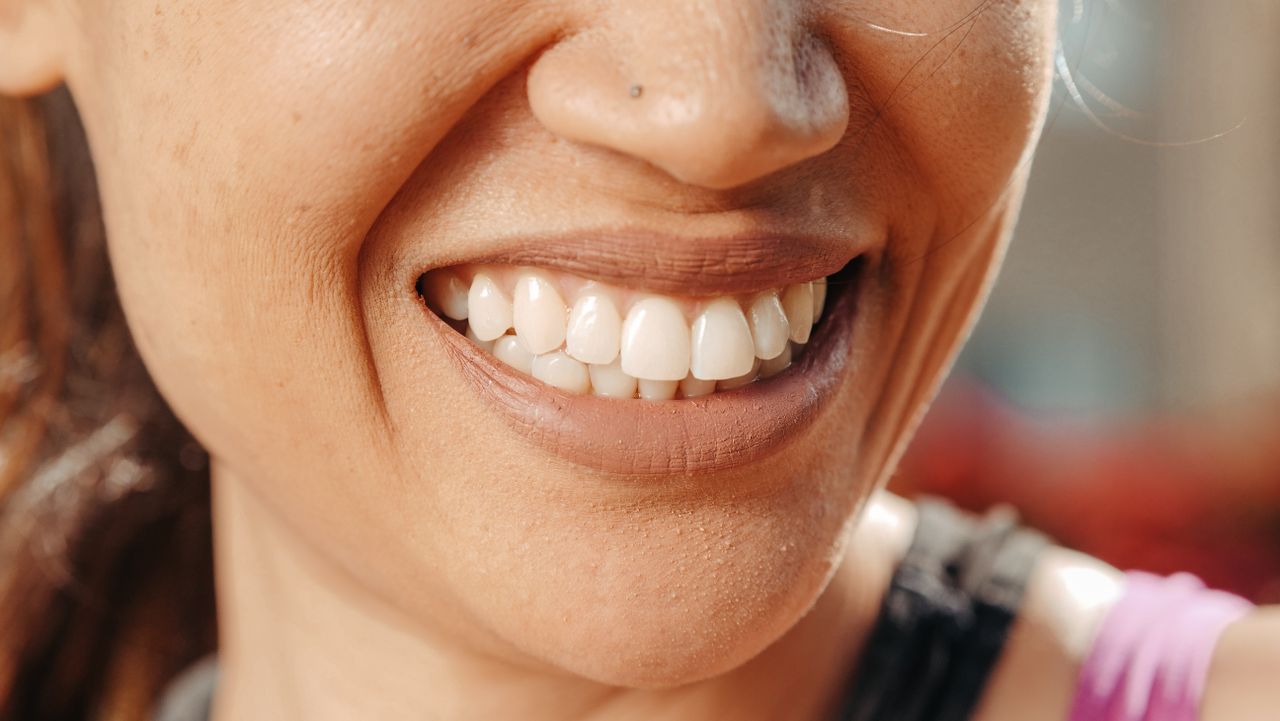
Occlusion is the way your upper and lower teeth meet when you close your mouth and bite together.
A healthy occlusion allows your teeth to work together comfortably when you chew, speak and swallow. When the teeth do not meet or align as expected, this is known as a malocclusion, which can affect your bite, oral health and, in some cases, comfort.
Bass Orthodontics are occlusion specialists in London, under the supervision of Dr Anton Bass. For more information, call us on: 020 7580 8780.
There are several ways dentists and orthodontists describe occlusion. One of the most commonly used systems is Angle's classification, which divides bites into Class I, Class II and Class III.
Class I occlusion is generally considered a normal relationship between the upper and lower teeth. However, a person can have a Class I bite and still have problems such as crowding, spacing or rotated teeth.
Class II occlusion occurs when the upper teeth sit further forward in relation to the lower teeth. This can sometimes give the appearance of prominent upper front teeth.
Class III occlusion is where the lower teeth sit further forward than the upper teeth. This may result in an underbite, where the lower front teeth sit in front of the upper front teeth.
Other types of bite problems include an overbite, overjet, open bite and crossbite. The severity of these problems can vary from person to person.
Malocclusion is very common - a worldwide systematic review found that malocclusion affected around 56% of children and adolescents, although prevalence varied considerably between regions and studies.
See also: How can orthodontists treat overbites and underbites.
Problems with occlusion, or malocclusion, can develop for several reasons:
Genetics can play an important role, since the size and position of your teeth, jaw shape and facial growth can all be influenced by inherited characteristics.
Tooth loss, overcrowding and teeth that have not erupted correctly can also affect the way your teeth meet. Habits during childhood, such as prolonged thumb sucking or dummy use, may contribute to certain bite problems in some children.
Jaw growth can also influence occlusion. If the upper and lower jaws develop at different rates or in different positions, this can affect how the teeth come together.
In some cases, there may not be one obvious cause. A person's bite can result from a combination of genetics, tooth position, jaw development and environmental factors.
However, having a malocclusion does not automatically mean that you will experience pain. A well-balanced bite can make everyday activities such as chewing and speaking feel comfortable and natural.
Many people have some degree of bite irregularity without experiencing any discomfort. In fact, some people may only become aware of their occlusion during a routine dental or orthodontic examination.
More significant bite problems can sometimes make chewing difficult or contribute to uneven tooth wear. Some people may also experience discomfort in the jaw muscles or joints, although it is important not to assume that an unusual bite is automatically the cause of jaw pain.
If you have persistent jaw, tooth or facial pain, a dentist should assess the problem rather than assuming it is caused by your occlusion.
For many people, orthodontic treatment is an effective way to improve the position of the teeth and correct bite problems. Treatment may involve fixed braces, removable appliances or invisible clear braces, depending on the situation.
Orthodontic treatment commonly takes between 6 and 30 months, depending on how complicated the problem is, with the need to wear an ongoing retainer after treatment.
Not every irregular bite requires treatment. An orthodontist can assess your teeth and explain whether treatment would provide a meaningful benefit.
An orthodontist specialises in the alignment of teeth and the relationship between the teeth and jaws. They can examine your bite and identify issues such as crowding, overbite, overjet, crossbite or an underbite.
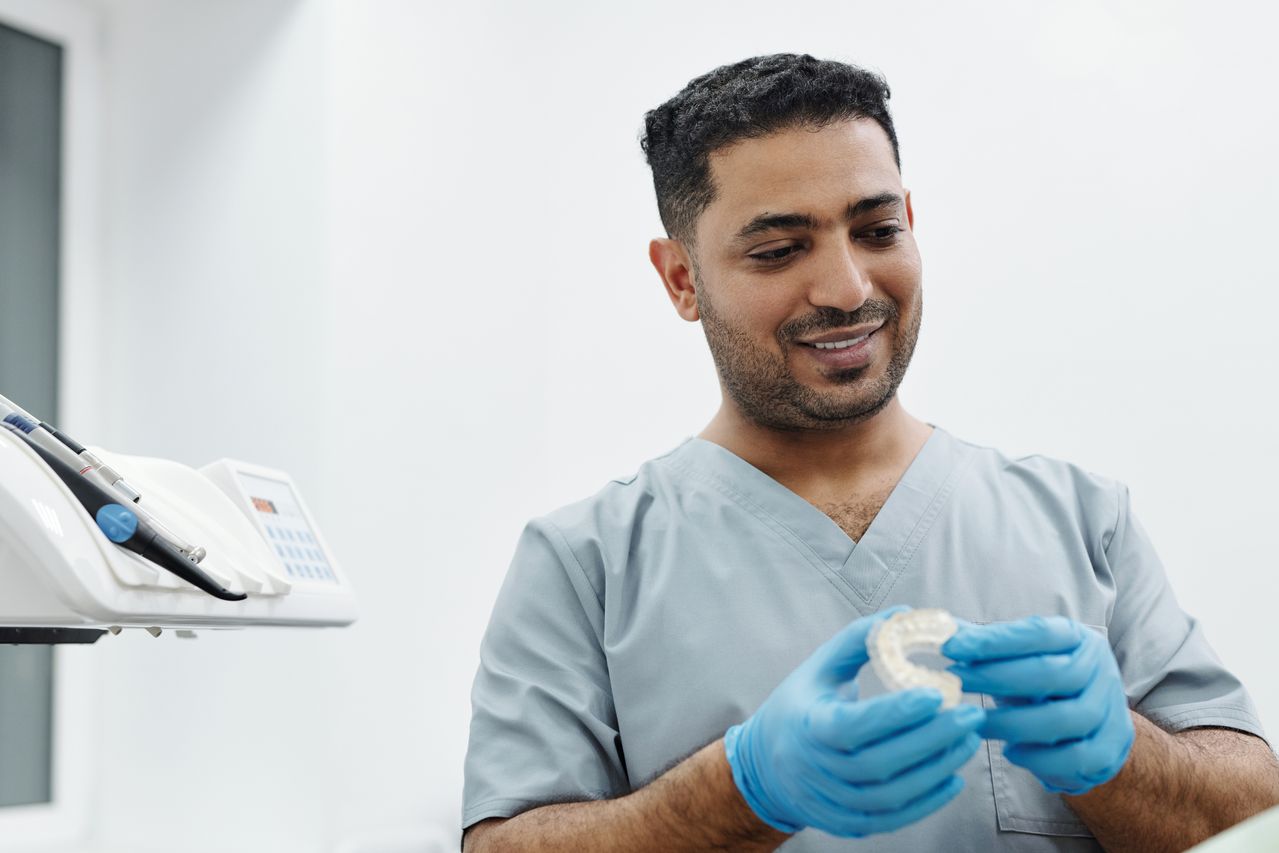
During an assessment, an orthodontist may examine how your teeth meet, assess jaw development and use photographs, dental models or X-rays where needed. This helps them understand the position of your teeth and plan appropriate treatment.
If treatment is recommended, the orthodontist can explain the available options. These may include fixed braces, removable appliances or clear aligners - see our braces here.
The aim is not simply to create straighter teeth. Good orthodontic treatment also considers how the teeth meet and function together.
Occlusion describes an important part of how your teeth function together. While everyone has a slightly different bite, significant problems with tooth or jaw alignment may affect chewing, tooth wear, appearance or oral health.
If you are concerned about your bite, an orthodontist can assess your occlusion and explain whether treatment is appropriate. With the right assessment, you can understand your options and make an informed decision about your dental health.