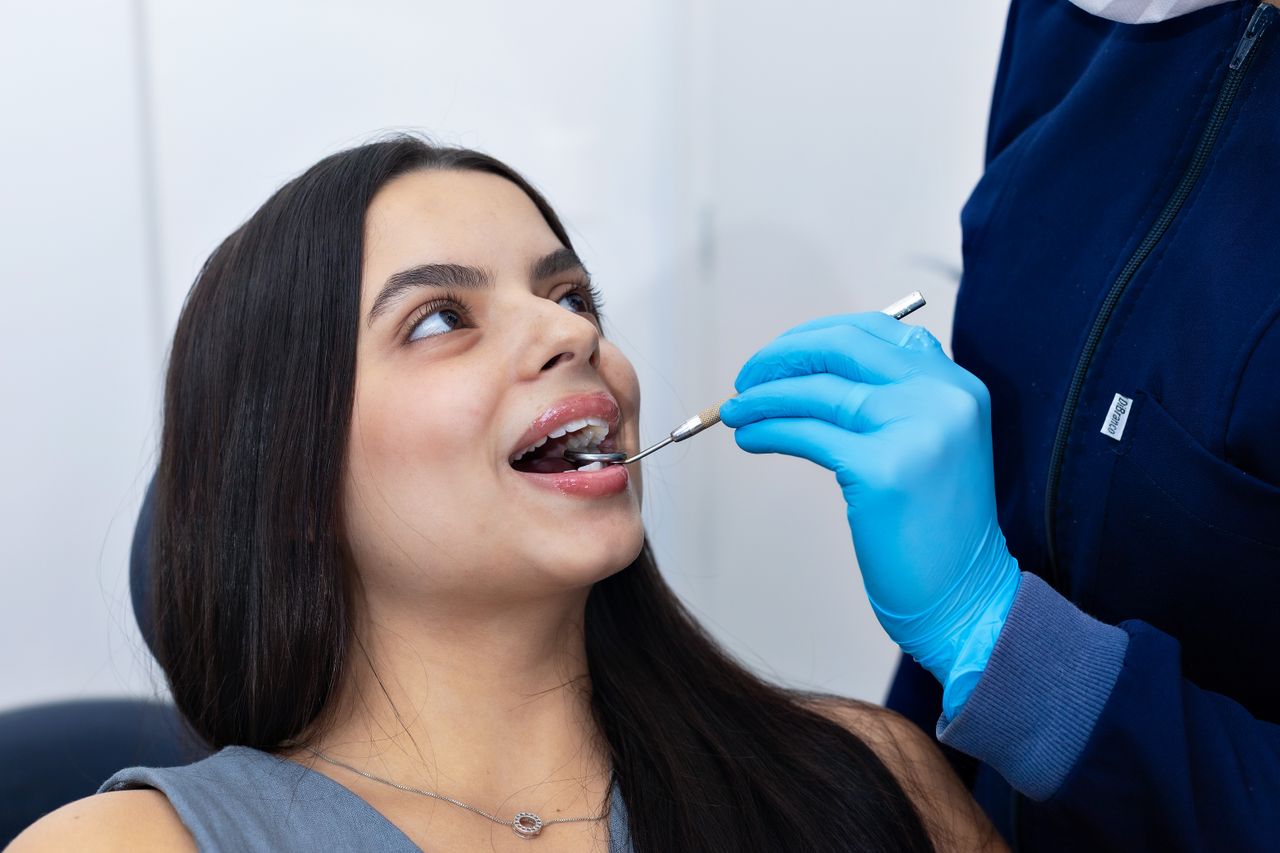
There is no upper age limit for orthodontic treatment, and you can have braces or clear aligners in your 60s, 70s or even your 80s, provided your teeth, gums and jawbone are healthy enough for treatment.
Orthodontic treatment is not just for children and teenagers. Many adults choose to straighten their teeth later in life to improve their smile, make cleaning easier or correct changes in their bite.
Adults have several orthodontic options, depending on their dental health and the changes needed.
Your orthodontist will recommend an option based on your bite, oral health, lifestyle and treatment goals.
Reasons why someone might choose orthodontic treatment later in life include teeth can become crowded or move over time, particularly if you have not worn a retainer after previous treatment.
You may also find that your teeth no longer meet comfortably when you bite together, known as occlusion. Correcting the position of your teeth may improve your bite and make some areas easier to clean.
Some adults choose treatment because they would like to feel more confident about their smile. Others want to address crowding or spacing before having restorative dental work. Your dentist and orthodontist can help you understand which concerns treatment may be able to improve.
Before starting treatment, your orthodontist needs to check that your teeth and gums are healthy enough for orthodontic movement.
This may include checking for gum disease, tooth decay, loose teeth, previous dental work and signs of bone loss. X-rays, photographs, digital scans or dental impressions may also be needed to assess your teeth and bite.
Active gum disease, severe bone loss or untreated dental problems may need to be treated before braces or aligners can be considered. Moving teeth when the supporting gums and bone are unhealthy could put your dental health at risk.
Age alone does not rule you out, but the health of your mouth is an important part of deciding whether treatment is suitable.
Adult orthodontic treatment can take slightly longer than treatment during childhood or adolescence, but this is not always the case. A common treatment timeframe for adults is around 12 to 24 months, although some cases take less time and more complex cases may take longer.
This is partly because the jaw has stopped growing and adult bone is generally denser. Teeth can still move at any age through a natural process called bone remodelling, in which the bone around the teeth changes in response to gentle, controlled pressure.
Your treatment time will depend more on the complexity of your case, your dental health and how consistently you follow your orthodontist's instructions than on your age alone.
If you are considering braces or clear aligners as an adult, an assessment can help establish whether treatment is suitable for you.
Bass Orthodontics can assess your teeth, bite and oral health and explain the options available for your individual needs.
It is never too late to ask whether orthodontic treatment could help you achieve a healthier, more comfortable smile.