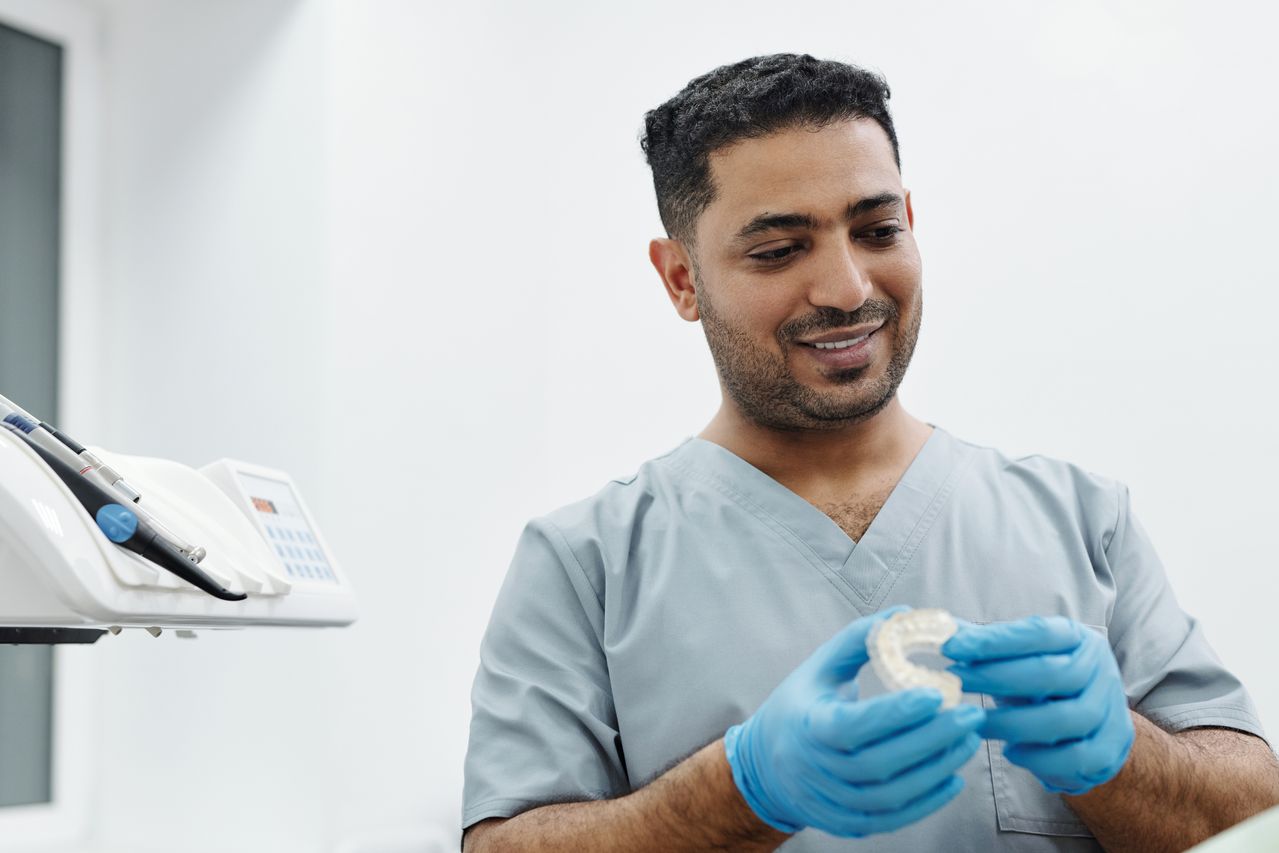
Orthodontics can help correct an overbite or underbite by gradually moving the teeth and, where appropriate, guiding the relationship between the upper and lower jaws.
Treatment can improve how your teeth meet, make chewing and speaking more comfortable, and create a more balanced smile. Depending on the severity of the bite, an orthodontist may recommend braces, clear aligners, elastics or other orthodontic appliances.
Bass Orthodontics is a private orthodontist in London with more than 60 years of history. We can assist with overbites or underbites for adults, teens and children. For more information, call us on 020 7580 8780.
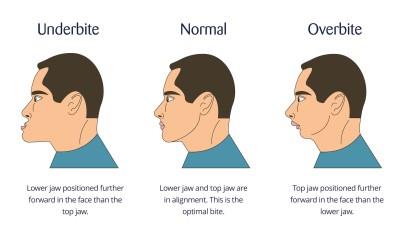
An overbite describes the vertical overlap of the upper front teeth over the lower front teeth when you close your mouth.
A small amount of overlap is normal and helps your teeth work effectively when biting and chewing. However, a deep or excessive overbite can cause the upper front teeth to cover too much of the lower front teeth.
In some cases, a deep overbite may cause the lower teeth to bite into the roof of the mouth or the gums behind the upper teeth. It can also contribute to increased tooth wear.
An overbite can develop for several reasons, including genetics, tooth position and jaw development. Childhood habits, such as prolonged thumb sucking or dummy use, may also influence the development of certain bite problems.
An underbite is when the lower front teeth sit in front of the upper front teeth when the mouth is closed - and it affects around 15% of people.
This can happen because the lower jaw is positioned further forward, the upper jaw is positioned further back, or because of the position of the teeth. In some people, both the teeth and jaws contribute to the underbite.
An underbite can affect the way your teeth meet and may make biting or chewing more difficult. More pronounced cases can also affect the appearance and balance of the face.
Since jaw growth plays an important role in some underbites, early assessment can be useful, particularly in children and teenagers who are still growing.
Bite problems are relatively common. A systematic review of studies involving children and adolescents found that malocclusion affected approximately 56% of people worldwide, although the reported prevalence varied between populations.
Having an overbite or underbite does not necessarily mean that treatment is needed. The decision depends on the severity of the problem, its effect on oral health and function, and the individual's circumstances.
Orthodontic treatment can gradually move teeth into more suitable positions, helping to improve an excessive overbite.
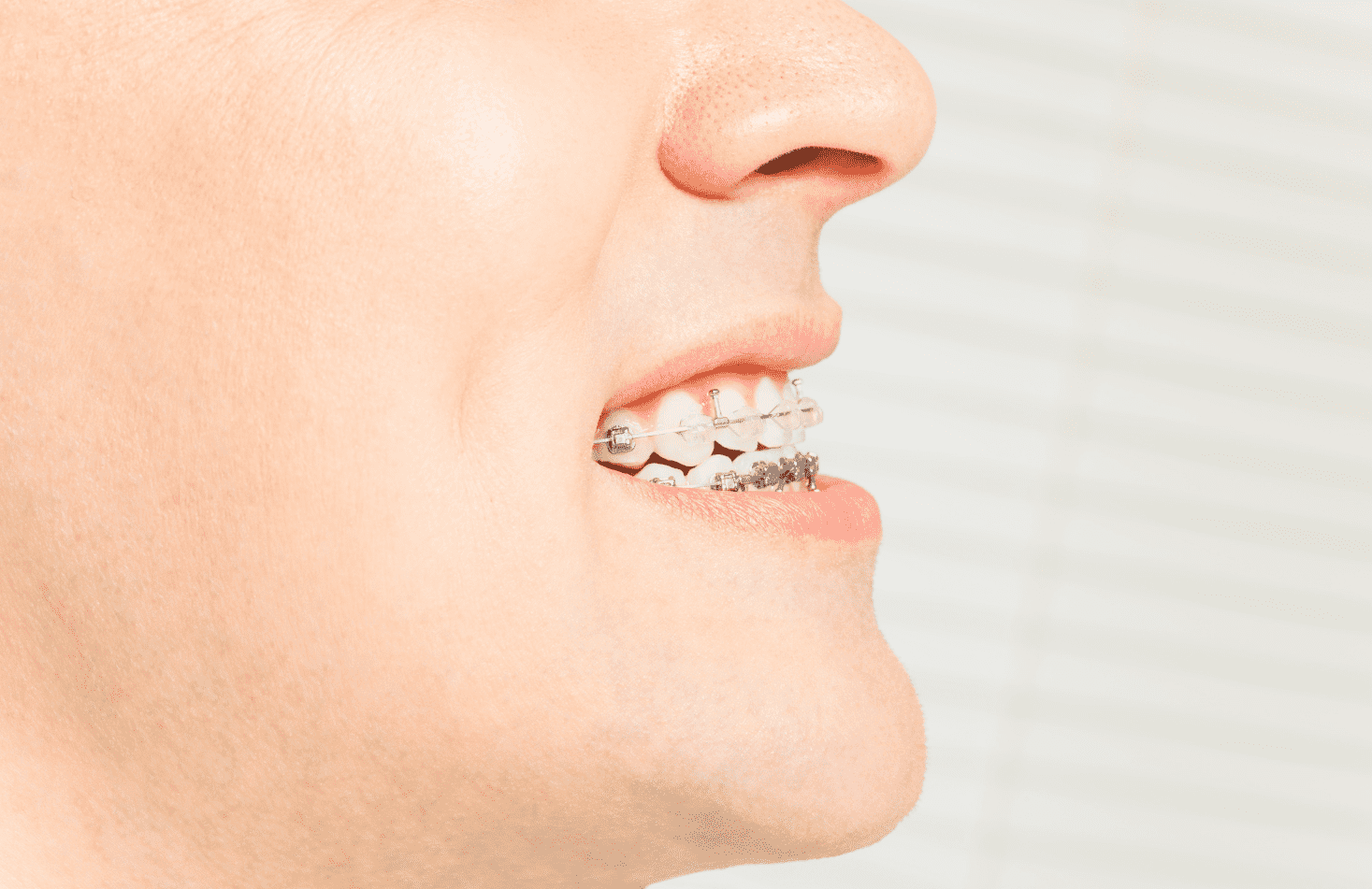
Fixed braces use brackets and wires to apply controlled pressure to the teeth. Over time, this can move individual teeth and improve the overall relationship between the upper and lower teeth.
In some cases, orthodontic elastics may be used alongside braces. These small elastic bands help apply additional forces between the upper and lower teeth.
Clear aligners or clear braces may also be suitable for some patients. They use a series of removable, transparent trays to gradually move the teeth.
The most appropriate option depends on the individual bite. An orthodontist will assess the teeth and jaws before recommending treatment.
Orthodontic treatment can correct or improve some underbites by changing the position of the teeth. Treatment may involve braces, clear aligners or elastics, depending on the cause and severity.
However, orthodontics cannot always correct an underbite on its own. If the main cause is a significant difference in the size or position of the upper and lower jaws, additional treatment may be considered.
For growing children, an orthodontist may sometimes recommend treatment that aims to influence jaw development. In adults with a severe skeletal underbite, orthodontic treatment may sometimes be combined with jaw surgery.
This is why an assessment by an orthodontist is important before deciding which treatment is appropriate.
Overbites and underbites may be treated and improved with braces or clear aligners. However, more complex cases may require elastics, specialist orthodontic appliances or, in some adults, a combination of orthodontics and jaw surgery.
The aim is not simply to make the teeth look straighter, but rather improve the position of the jaw and how they meet with the teeth to function together.
An orthodontist focuses on the alignment of teeth and the development and position of the jaws. During an assessment, they will examine your bite and look at how your upper and lower teeth meet. They may also take photographs, dental impressions or scans and X-rays where appropriate.
This information helps the orthodontist understand whether your overbite or underbite is mainly related to the position of the teeth, the jaws or a combination of both.
They can then explain your treatment options, expected timescale and what the results may look like.
You can speak to an orthodontist if you are concerned about the appearance or function of your bite.
An assessment may be particularly useful if you have difficulty biting or chewing, noticeable tooth wear, jaw discomfort or teeth that do not meet comfortably.
An orthodontic assessment for children can also help identify developing bite problems while the jaws are still growing.
Overbites and underbites are common types of malocclusion, but their causes and severity can vary significantly. Orthodontic treatment can often improve the position of the teeth and the way the upper and lower teeth meet.
Braces, clear aligners and elastics are among the treatments that may be used. More complex jaw-related problems may require a different approach.
If you are concerned about an overbite or underbite, an orthodontist can assess your individual bite and recommend the most appropriate treatment.